
If you’ve ever wondered how long an unopened bottle of wine actually lasts – or whether it really “gets better with age” – you’re not alone. While some wines improve over time, most bottles have a recommended shelf life, and how you store them makes a huge difference.
Read on to find out how long unopened wine lasts, what factors affect wine lifespan, how long opened wine lasts, and how to store your wine to ensure it lasts as long as possible.
What Affects How Long Wine Lasts?
Several factors affect how long your wine can remain drinkable, such as:
-
Type of wine – Lighter wines tend to spoil faster than full-bodied wines
-
Storage temperature – Wine should ideally be stored around 12°C. Too warm or too cold can shorten its life
-
Humidity – 55–80% humidity helps prevent corks from drying out and oxidation from speeding up
-
Light exposure – UV rays accelerate chemical reactions that can ruin wine
-
Bottle position – Unopened bottles with corks should be stored horizontally; opened bottles upright
-
Quality & production – Fortified wines or high-quality bottles may last longer even after opening
How Long Do Different Types of Unopened Wine Last?
So, how long does unopened wine last? While some wines are marketed as “getting better with age,” most bottles have a recommended shelf life. Different wines have different lifespans – for example, fine wine ages much better than white wine, which only lasts one to two years past the printed expiration date (when stored correctly).
|
Wine Type |
Typical Unopened Shelf Life (Optimal Storage) |
|
White Wine |
1–2 years past printed expiry date |
|
Red Wine |
2–3 years past printed expiry date |
|
Cooking Wine |
3–5 years past printed expiry date |
|
Fine Wine |
10–20 years in a wine cellar |
|
Fortified Wine |
1–8 weeks once opened; long-term unopened |
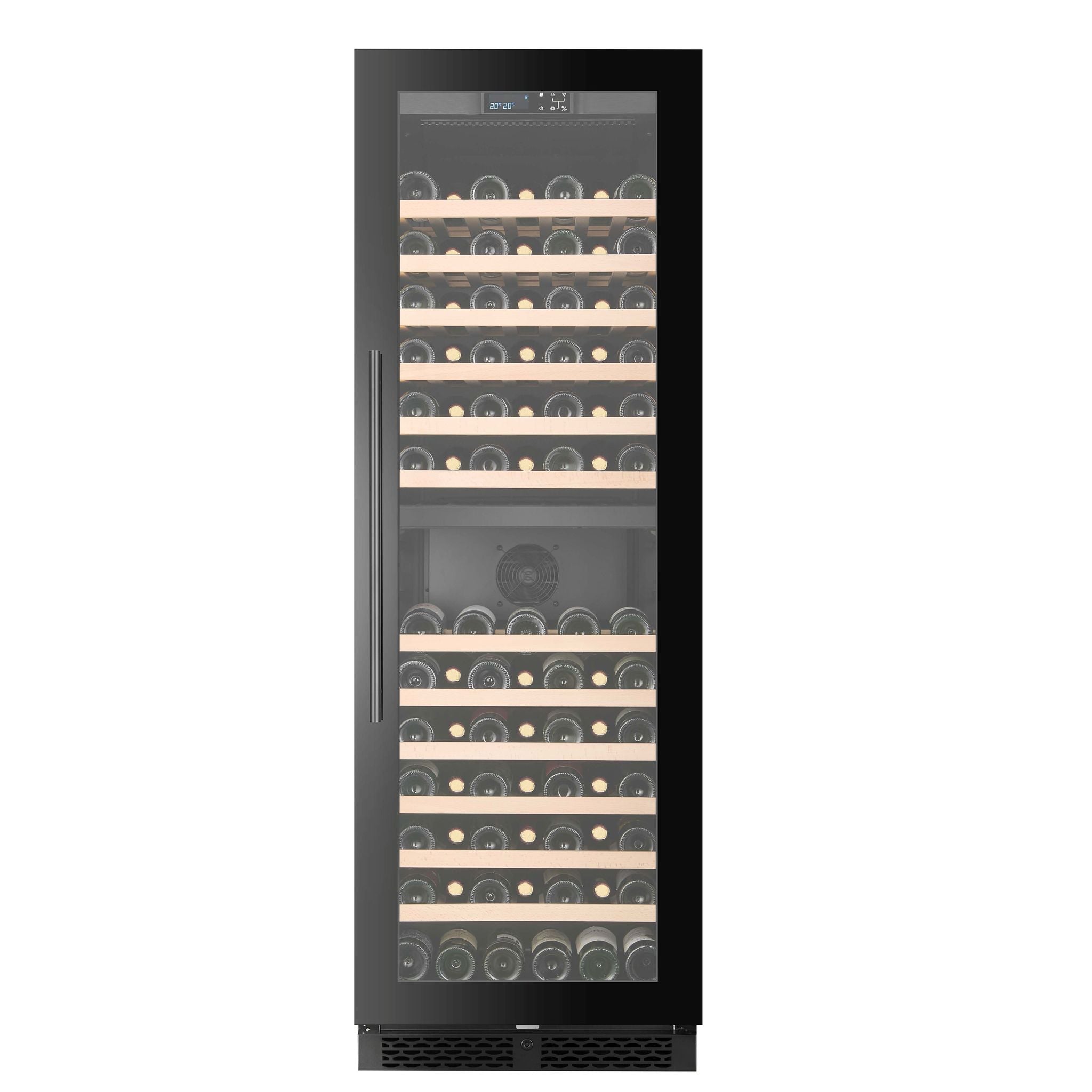
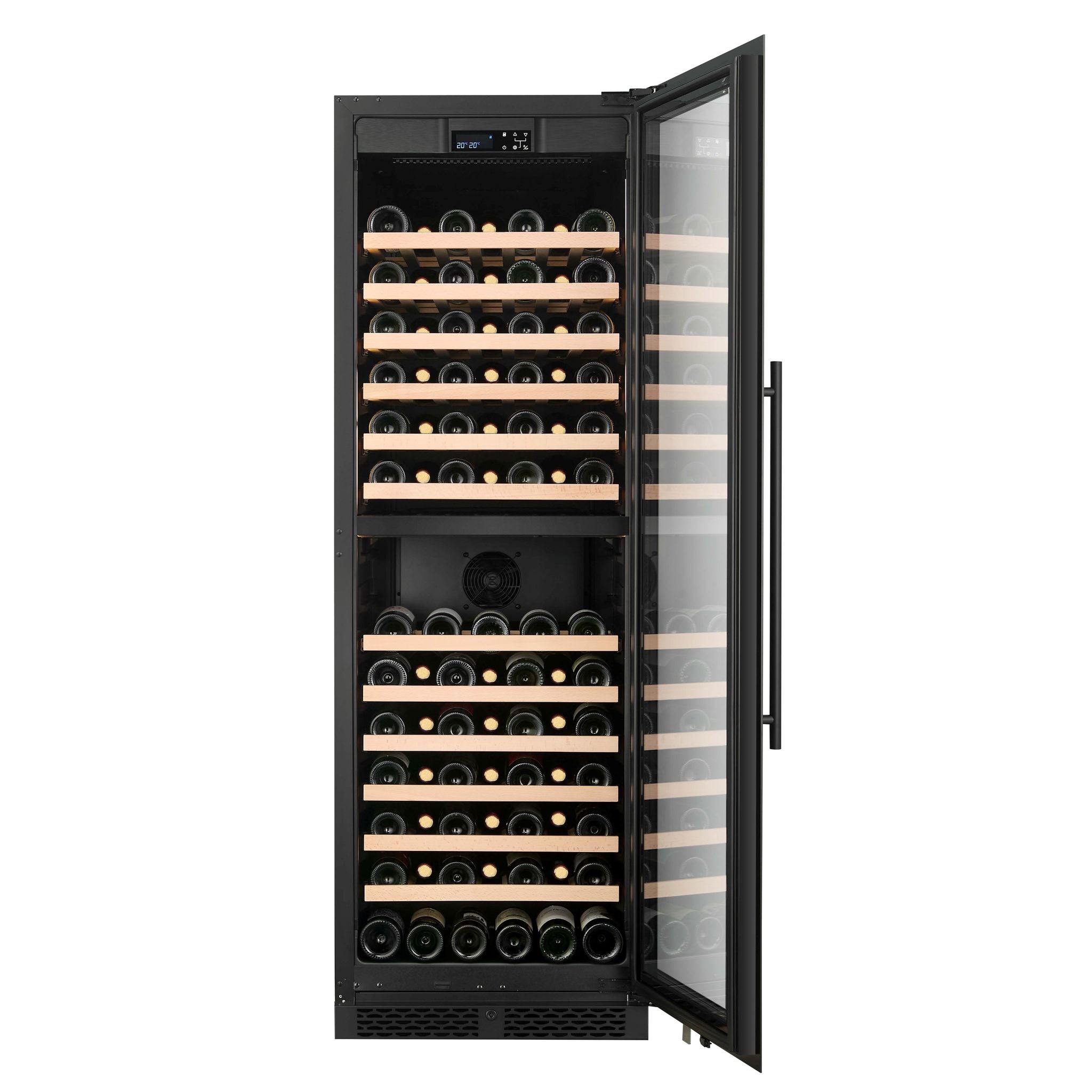
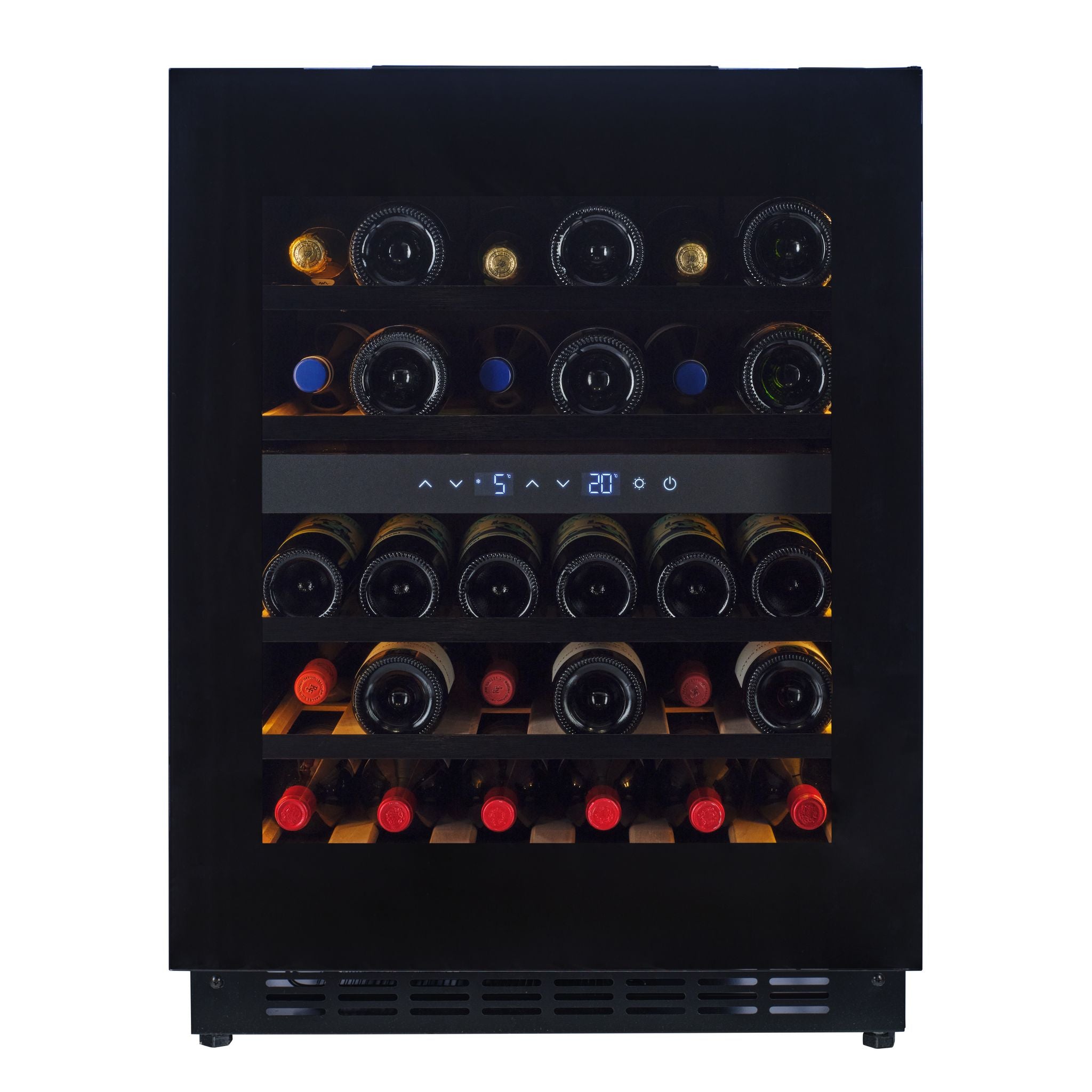
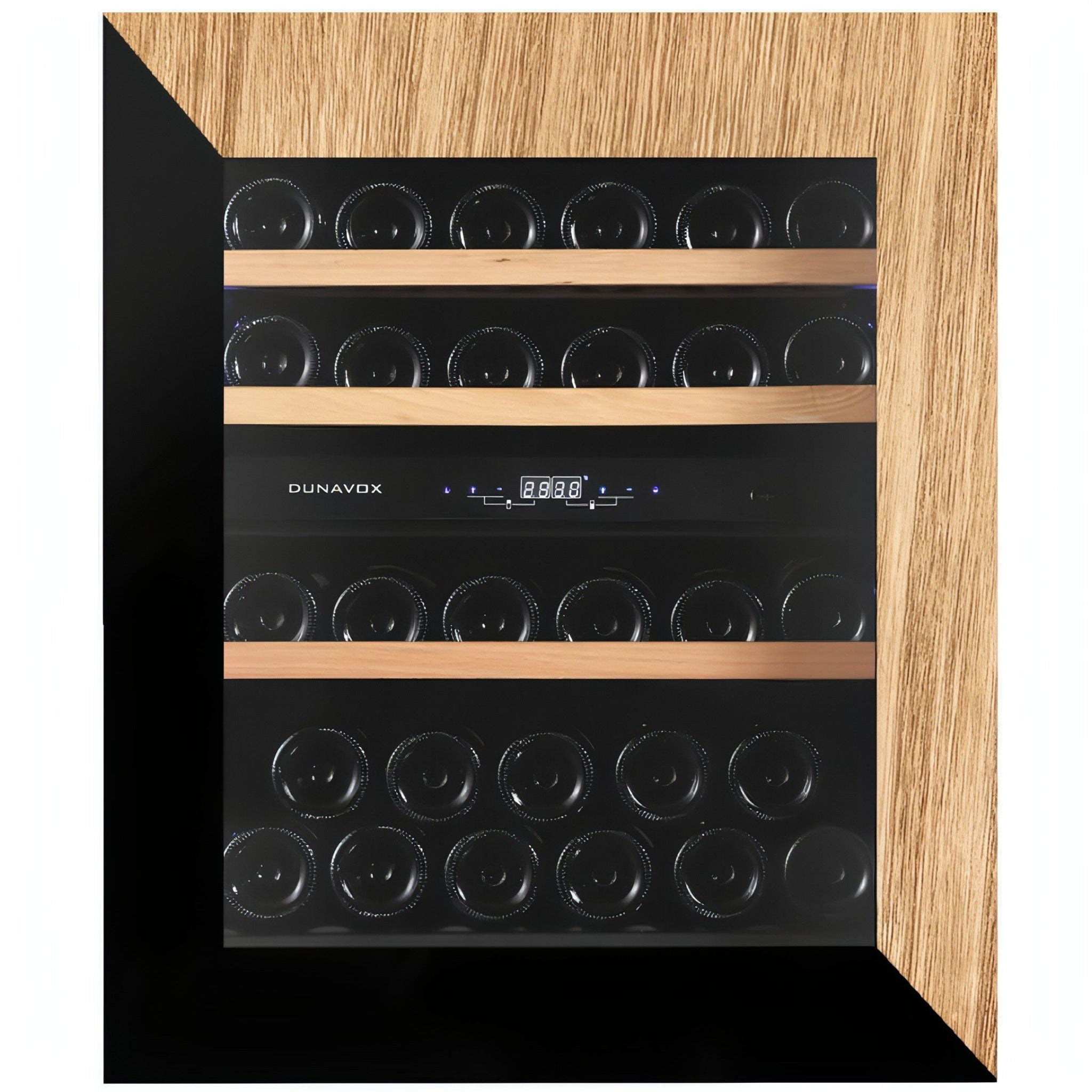
An integrated wine cooler, built-in wine cooler, or freestanding wine fridge will help maintain optimal conditions for all wine types.
How Long Does Opened Wine Last?
There’s a major difference between opened and unopened wine. Once a bottle is opened, exposure to oxygen starts chemical reactions that reduce freshness. Temperature, light, and storage methods can slow this, but cannot fully stop it.
Sparkling wines may only last a few days after being opened, whereas richer wines can last for a little longer. Here is a list of how long each wine will last when opened, from longest-lasting to least-lasting:
|
Wine Type |
Opened Lifespan |
|
Port |
1–3 weeks |
|
Dessert Wine |
3–7 days |
|
Red Wine |
3–6 days |
|
Light White & Rosé |
4–5 days |
|
Rich White |
3–5 days |
|
Sparkling Wine |
1–2 days |
|
Fortified Wine (Sherry, Madeira) |
1–8 weeks depending on style |
Storage Tips for Opened Wine
-
Re-seal with cork, stopper, or plastic wrap
-
Store upright in a wine cooler or fridge
-
Avoid lingering kitchen smells
-
Keep away from direct light and heat
The most effective route for storing your wine optimally for them to last this amount of time when opened is to re-seal them with either a cork, stopper or plastic wrap cover if neither of the first two options is available to you. Placing your opened wines back into your refrigerator standing up and making sure everything is tightly sealed is crucial for longer-lasting wine shelf life.
Signs Your Wine Has Gone Off
When dealing with food or beverages, you have to make sure your health isn’t at risk when storing it in your kitchen, garden/outdoor space or any other storage space you have in your household or commercial property.
Change in Colour
One of the first checks you need to make when spotting whether your wine has gone bad is examining if there has been any change in colour.
Most dark-coloured wines will turn into a brownish colour when going off, whereas the lighter-coloured wines will change to a more golden tone.
Change in Smell
A great indicator of whether your wine has gone off is by smelling the wine . Wines that have gone bad may have a specific, sharp, vinegar-like smell that will overpower the sweet-smelling wine of the past.
Or, on the other hand, it could have a nut-like odour that will remind you of applesauce, which is an unsatisfactory sign for that specific wine. A good tell of an unopened wine is that it will have a scent of garlic or burnt rubber.
Cork Differences
A visual test you can use is to view the cork – because if the cork is pushing past the wine bottle rim, this in some cases can be a sign that your wine has been displayed to too much heat. Exposure to heat can completely nullify the smell and taste of your wine – leaving a very plain and boring tasting experience.
Unpleasant Taste
If you’re ever feeling unsure and finding it hard to tell whether your wine has gone off or not, it may be worth just having a small taste test of the wine. Having very minor sips of wine that may be damaged will not cause any harm to you or your health in general. The only component that may put you off is the fact it won't taste very pleasant.
Note: Minor cases of food poisoning are rare, but always discard wine that seems off.
How to Correctly Store Your Wine
Whether you have opened your bottle of wine or not, here’s how to store your wine to ensure it lasts as long as possible:
-
Keep bottles at 12°C
-
Maintain 55–80% humidity
-
Store away from UV light and vibrations
-
Unopened bottles with corks: lay horizontally
-
Opened bottles: store upright in a wine cooler
-
Use wine stoppers to reduce oxygen exposure
-
Opt for a wine fridge or wine cabinet
Recommended Wine Coolers for Opened Bottles
Storing opened bottles upright reduces spillages and unwanted smells:
-
Dunavox Home Line – Perfect for Champagne and opened bottles
-
Vestfrost WFG185 – flat shelves designed for upright storage
-
Artevino Wine Cabinets – suitable for domestic and commercial installations, supports both standing and flat bottles