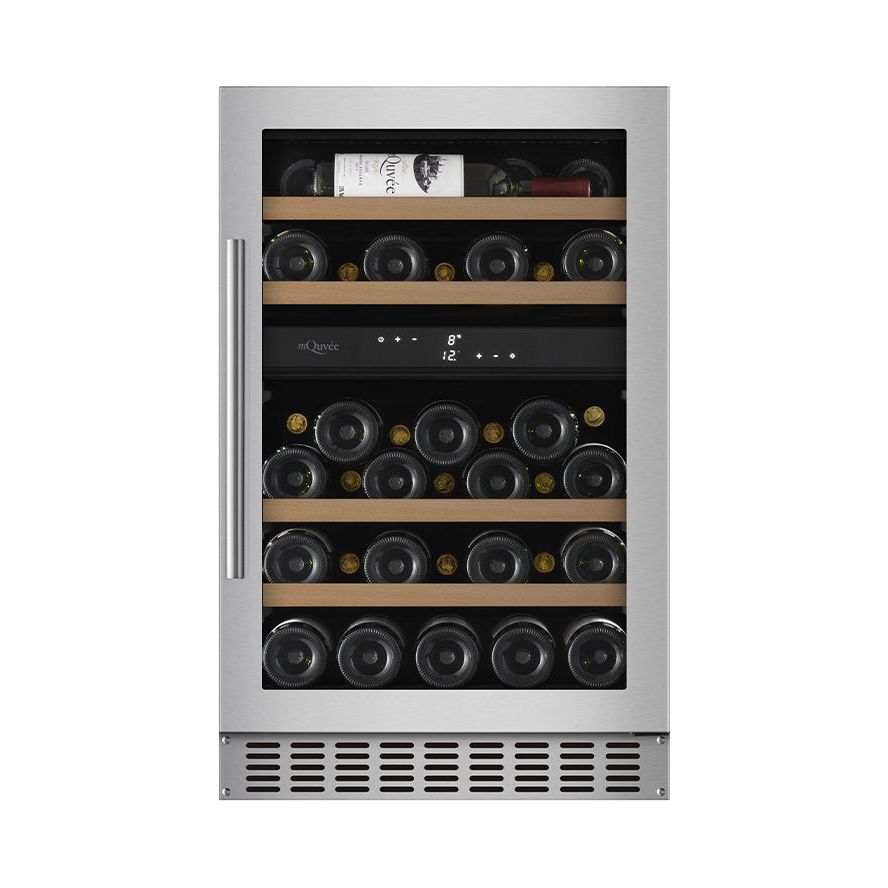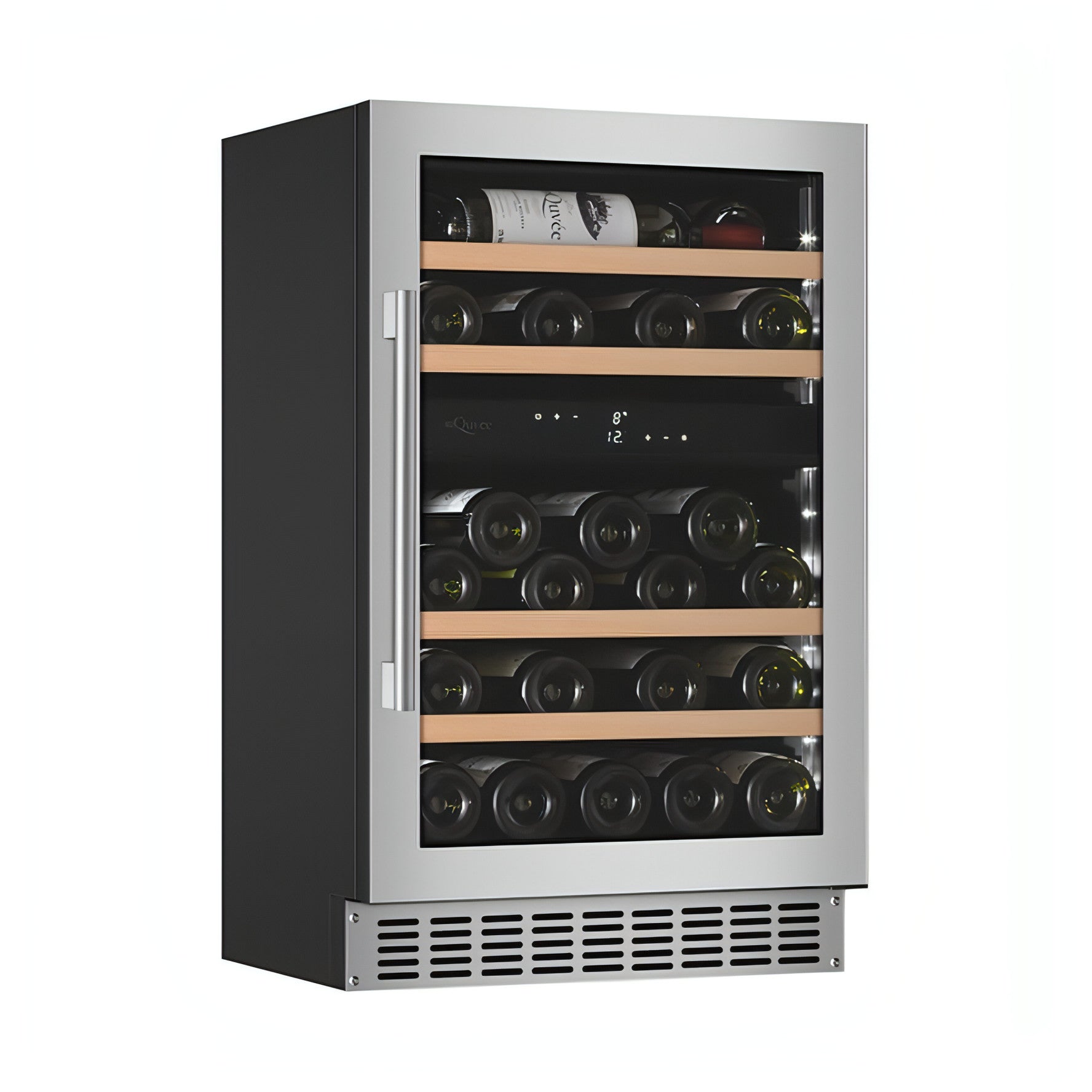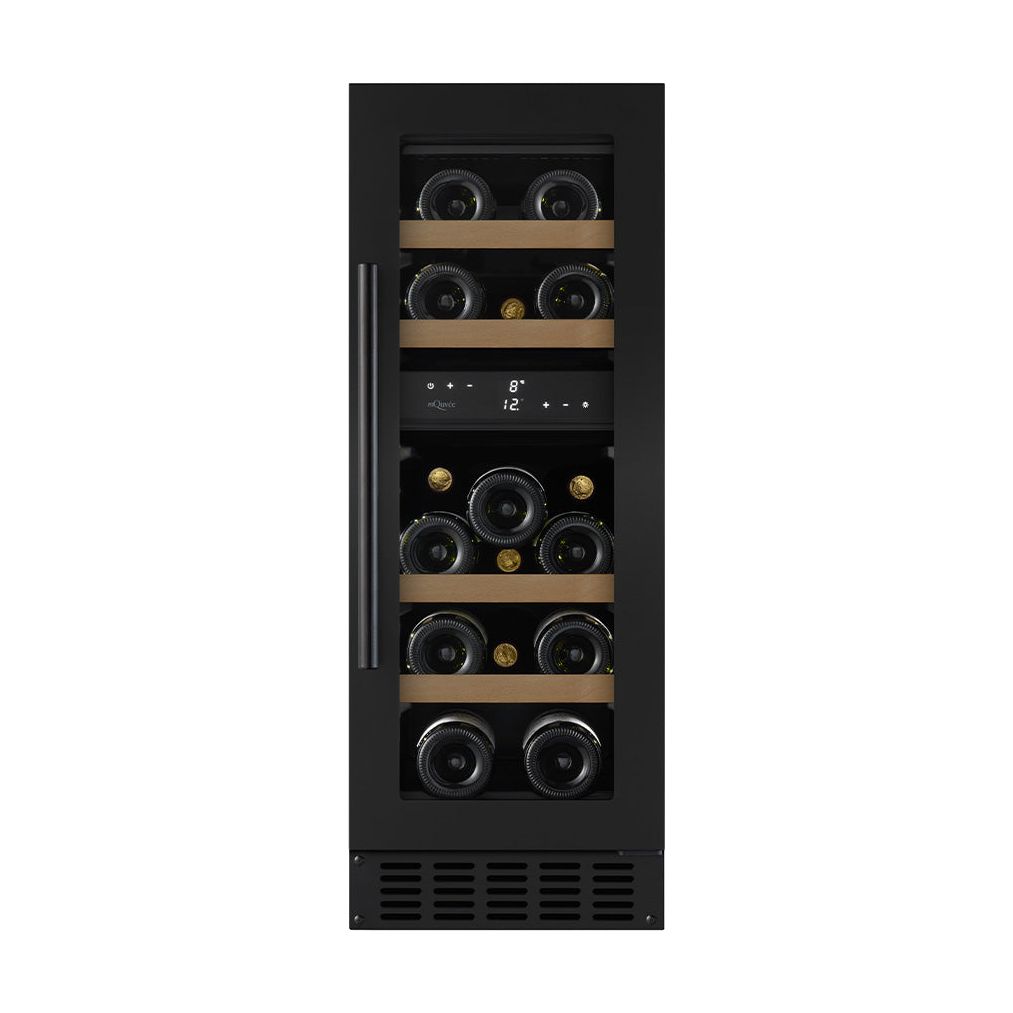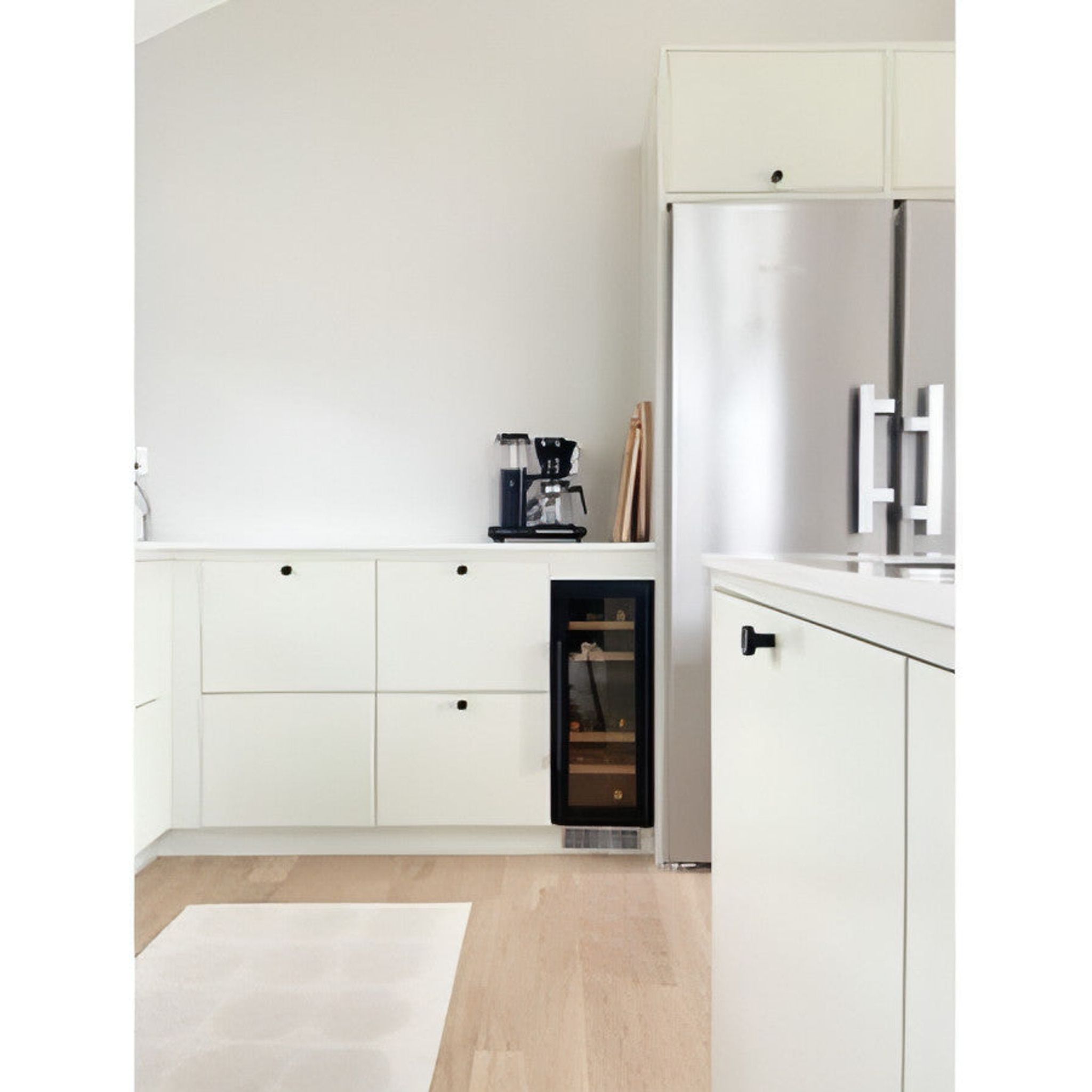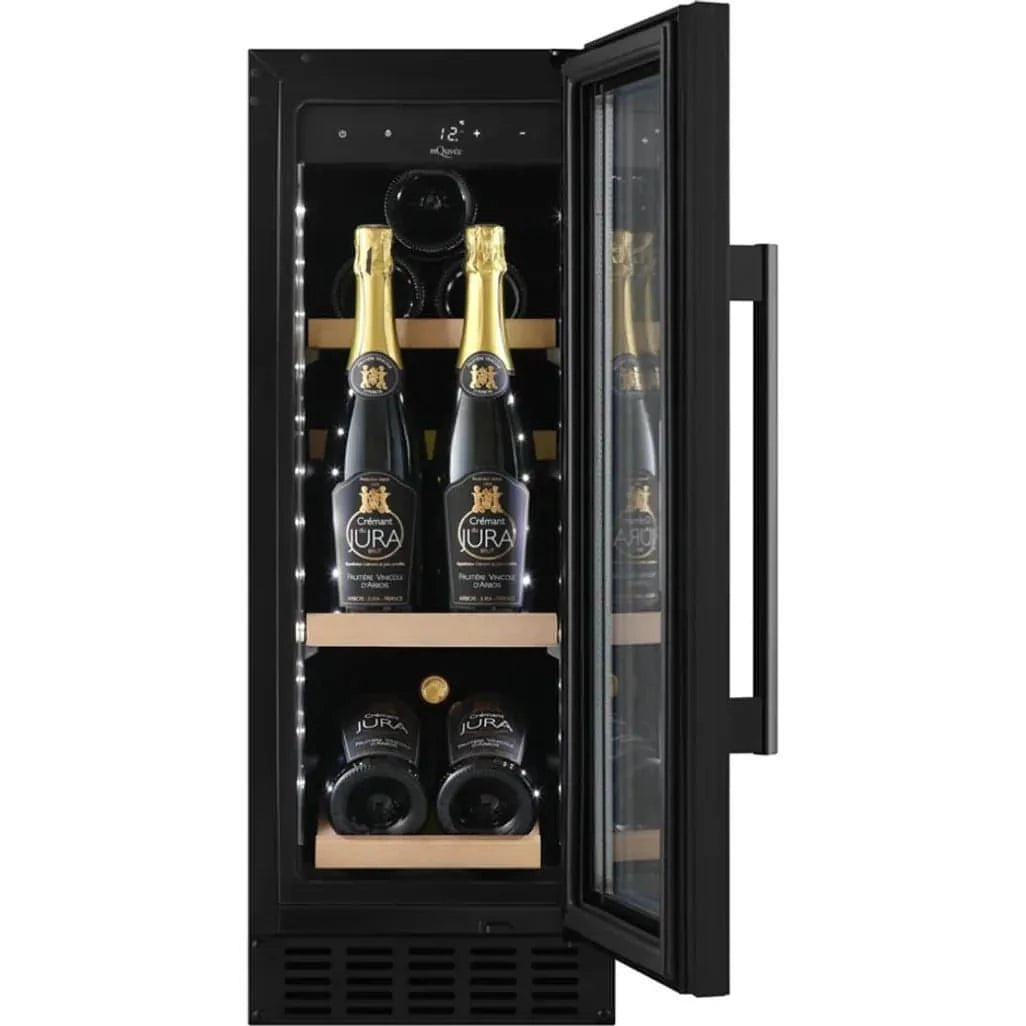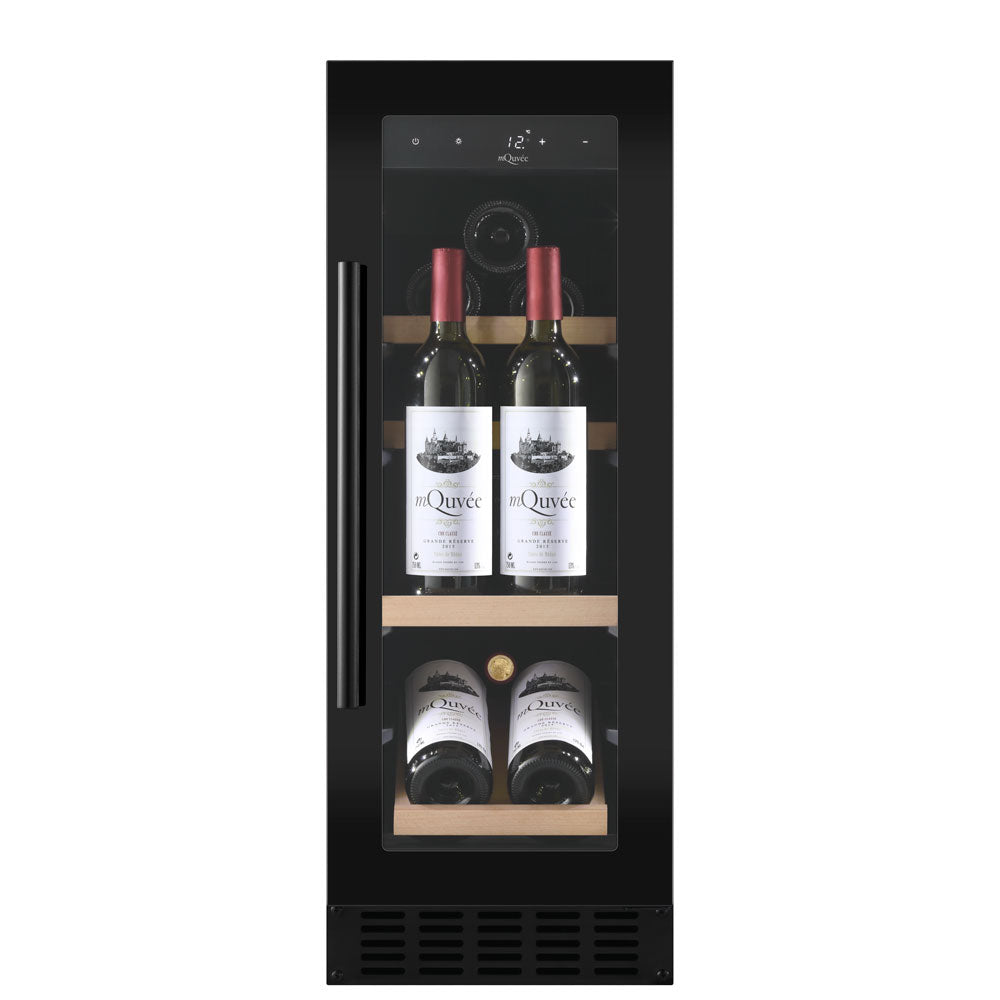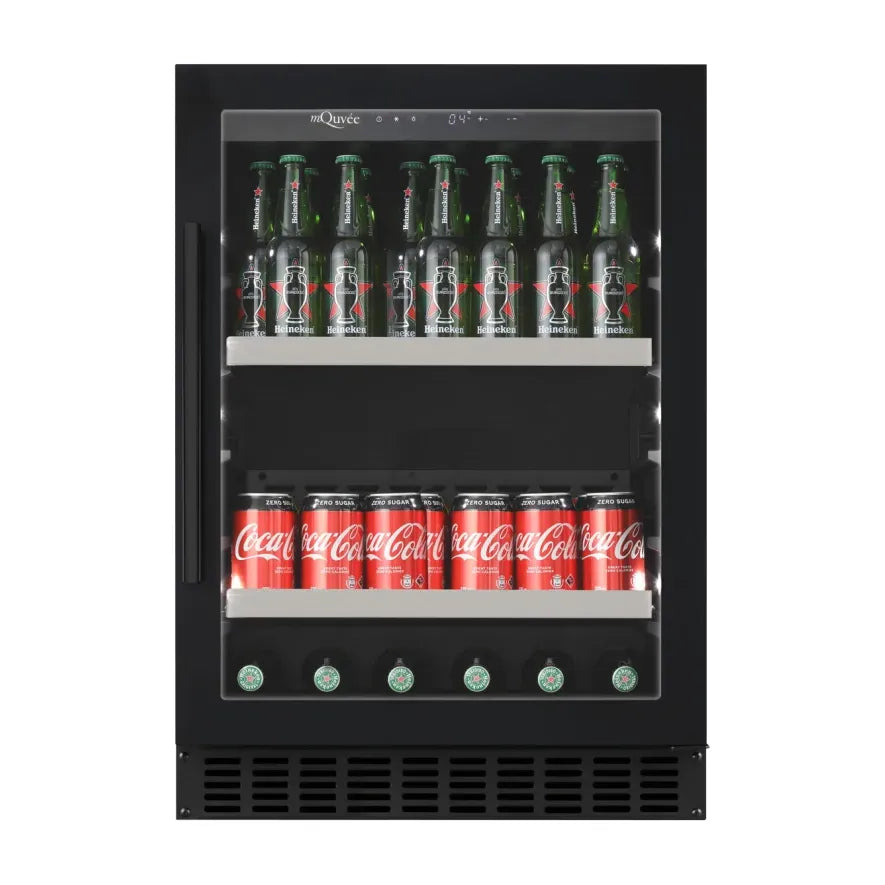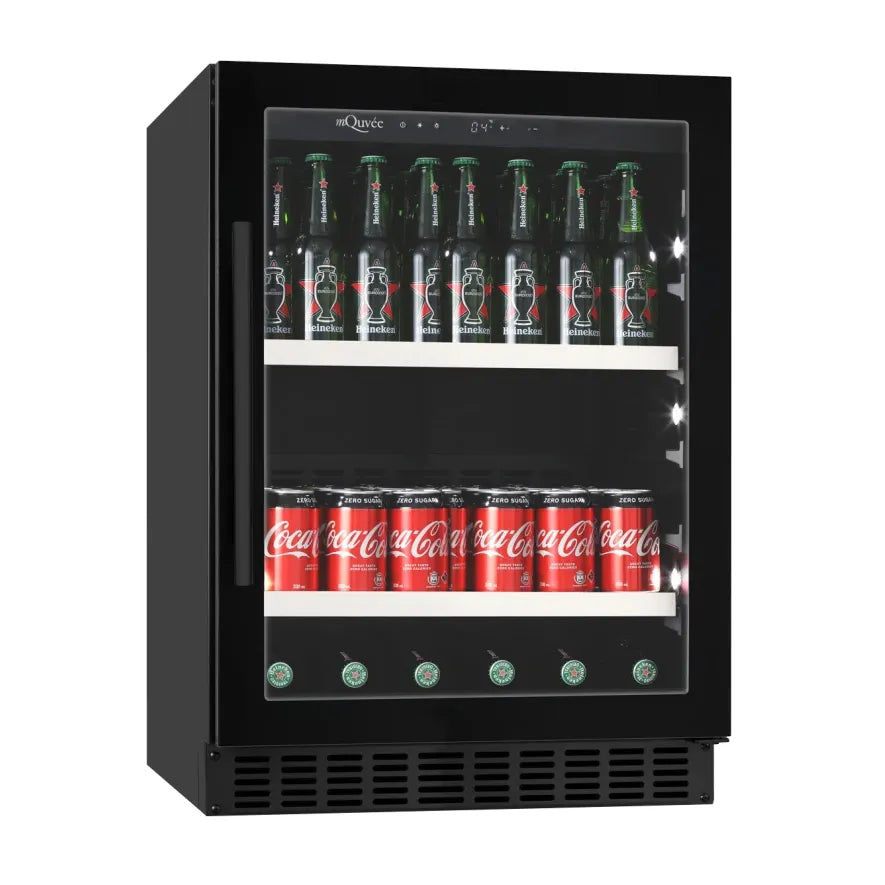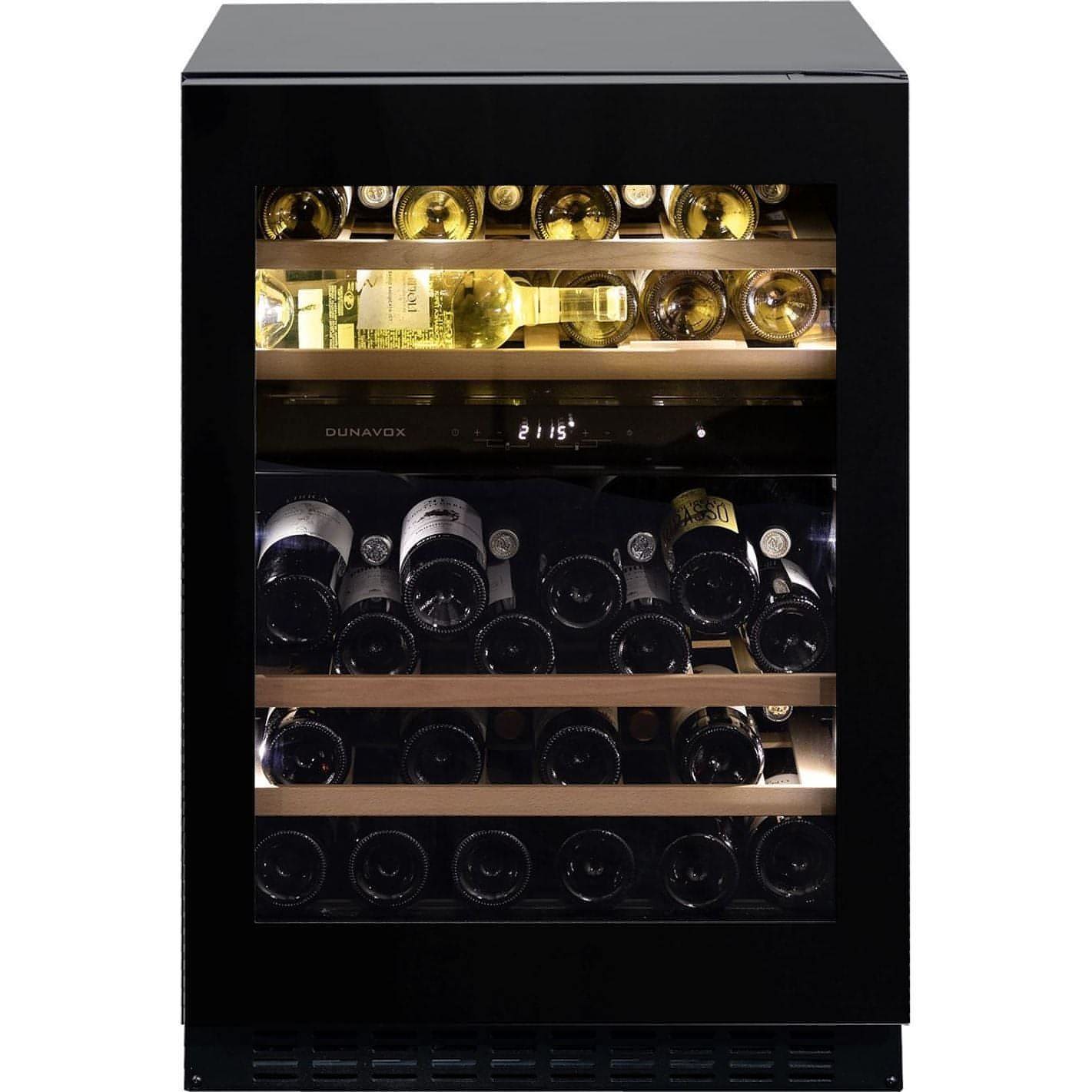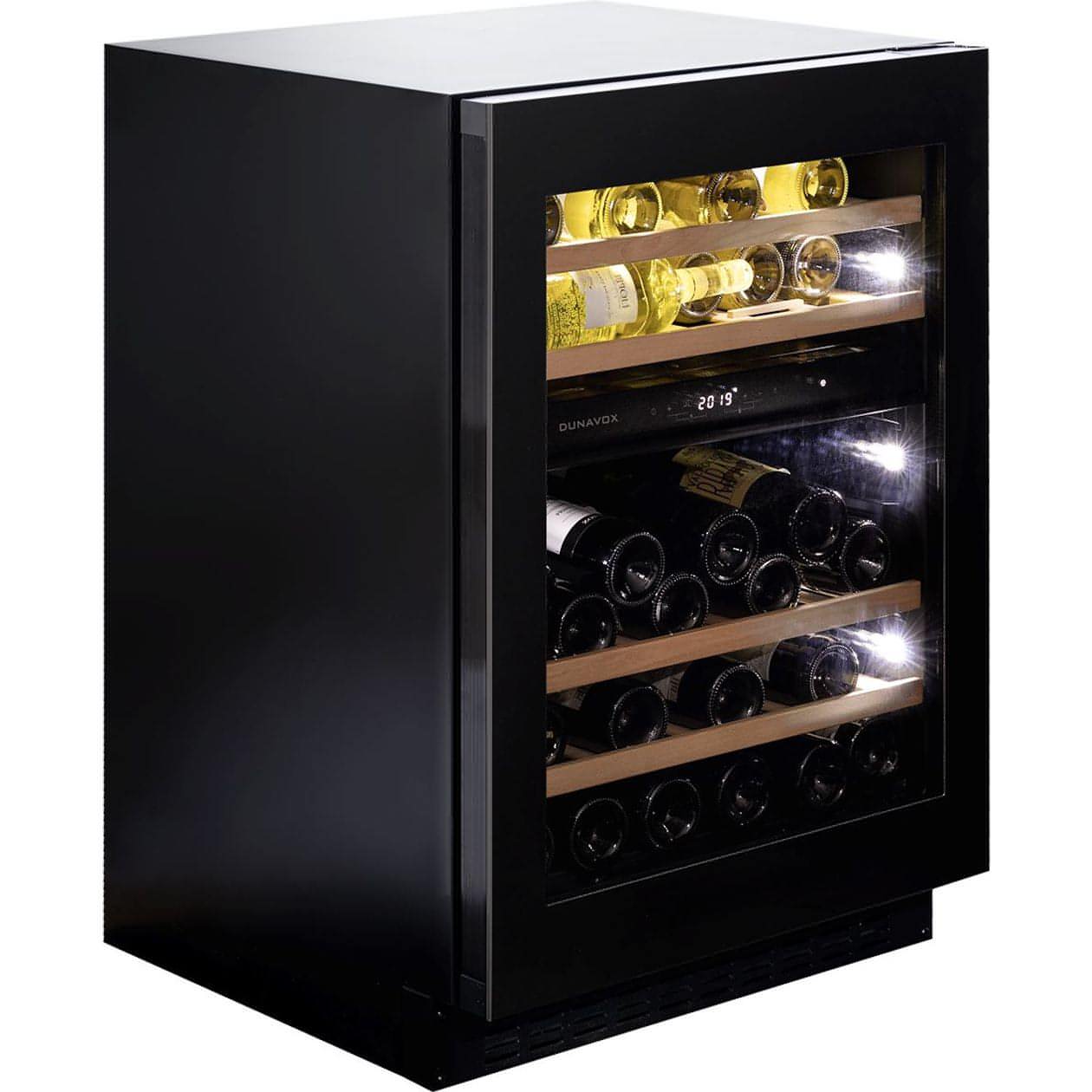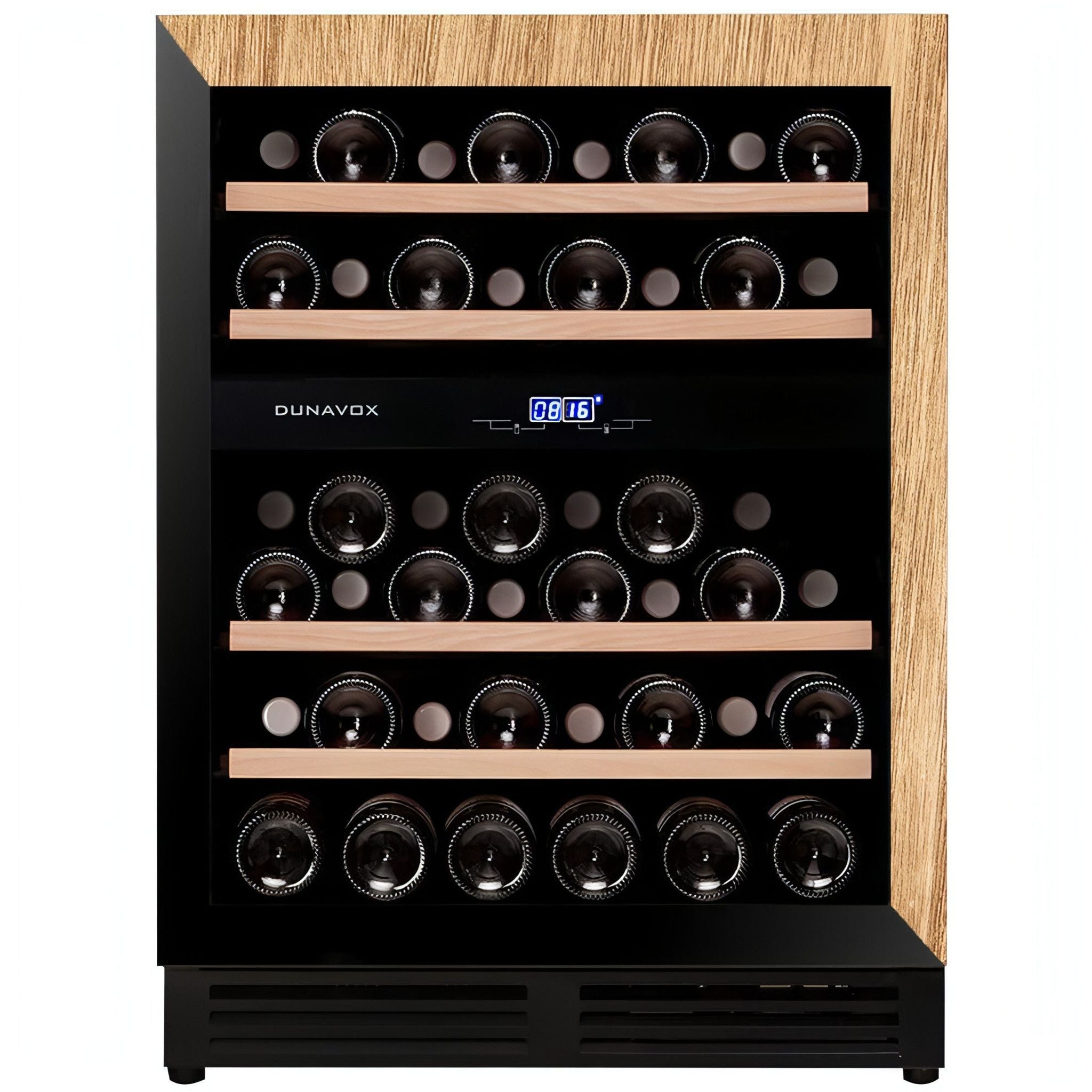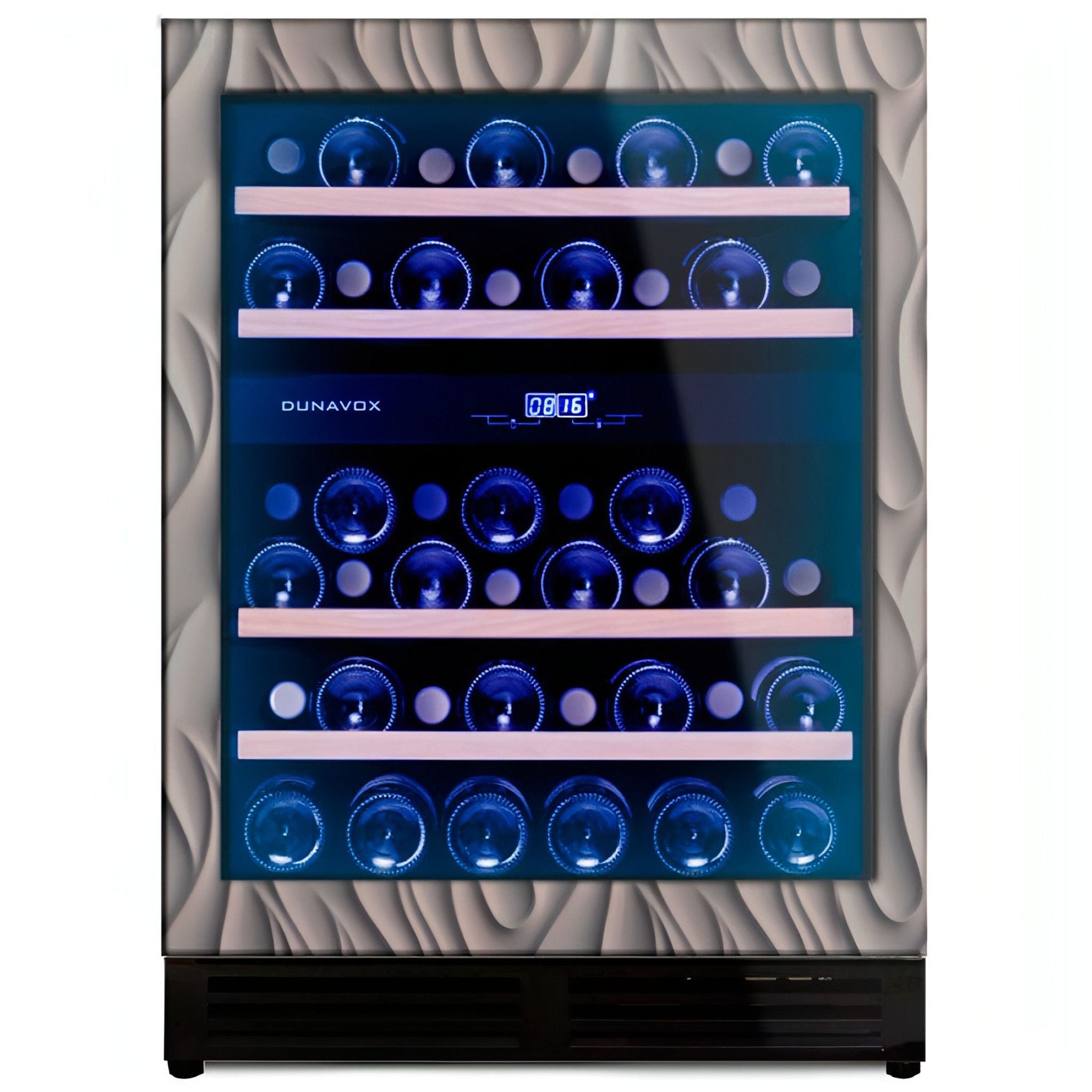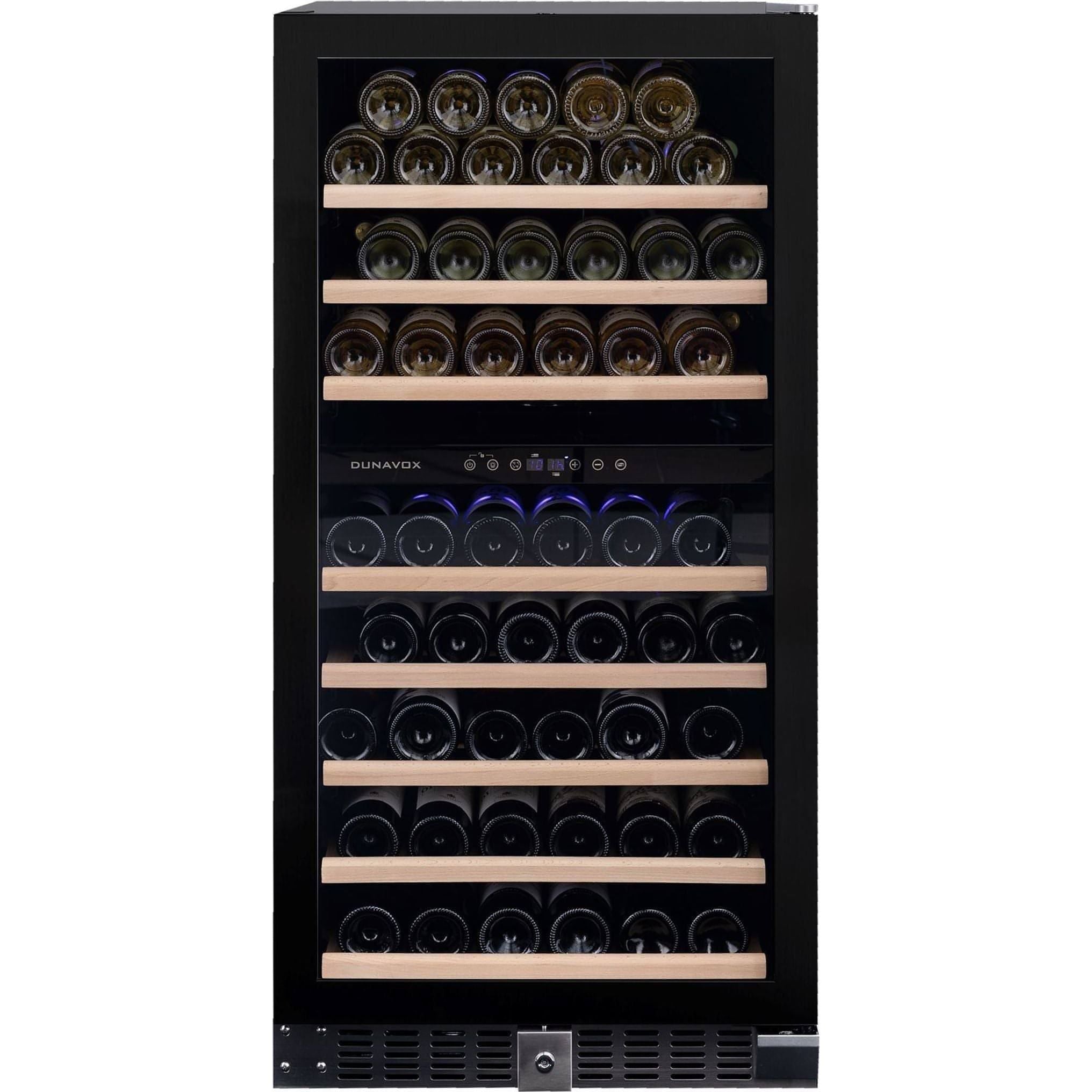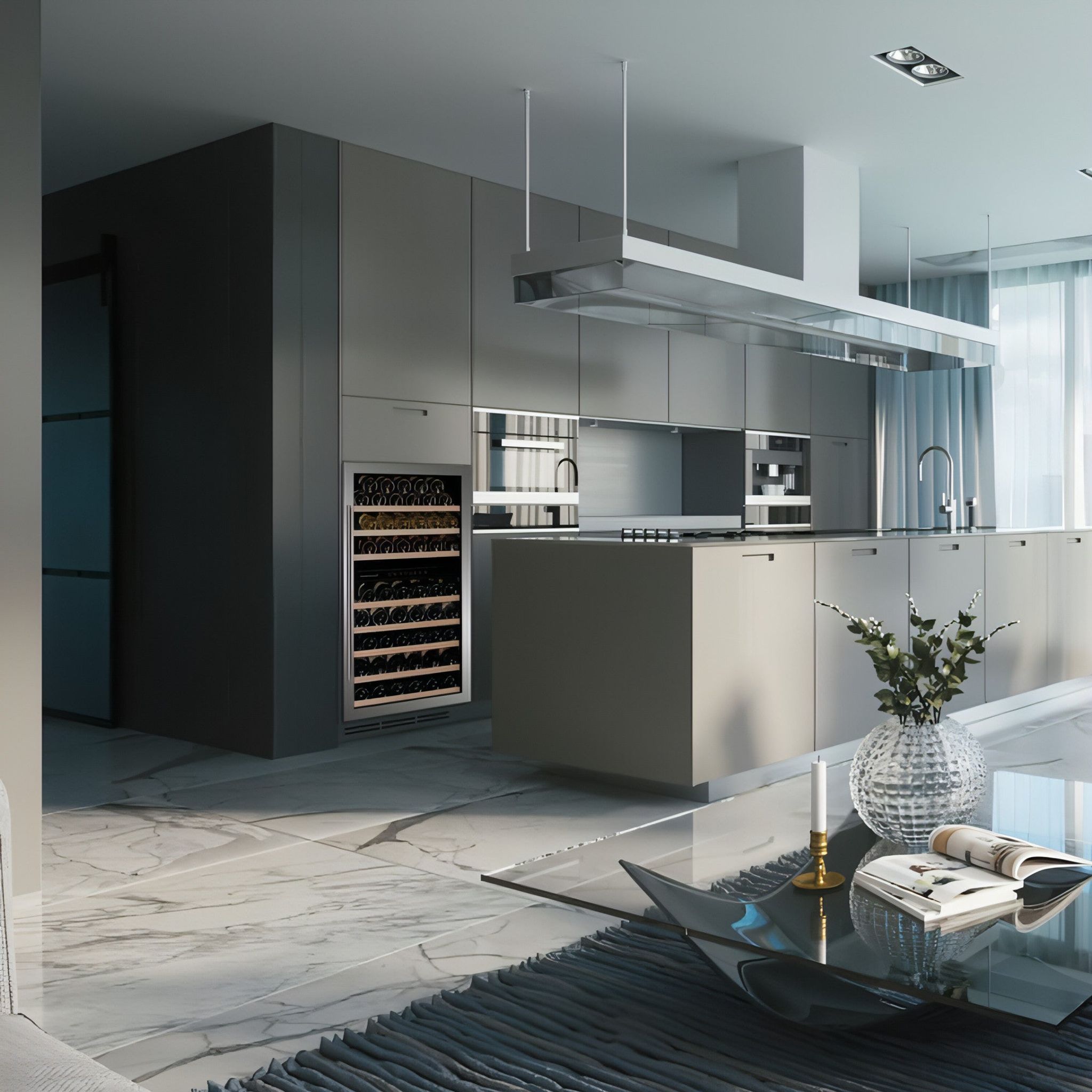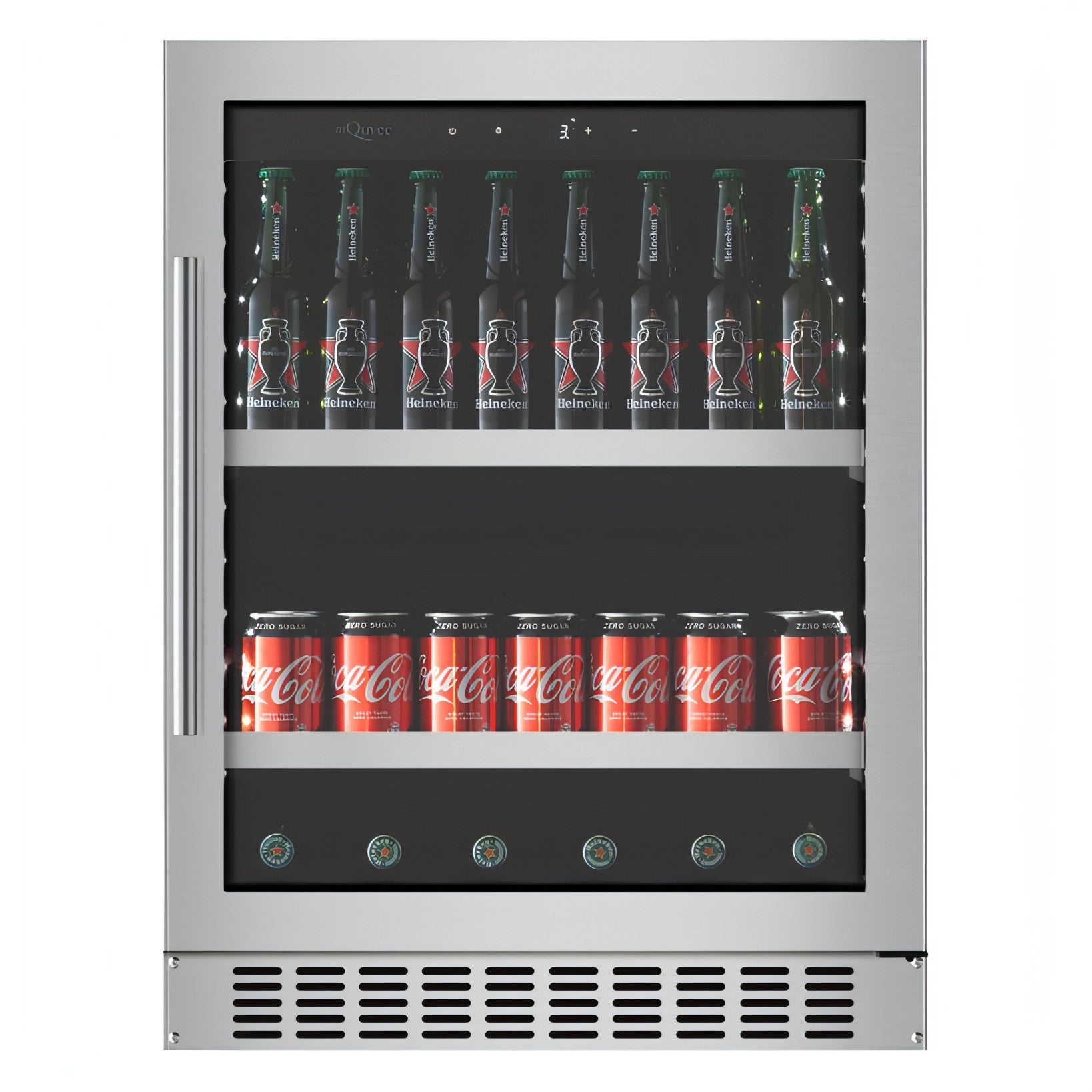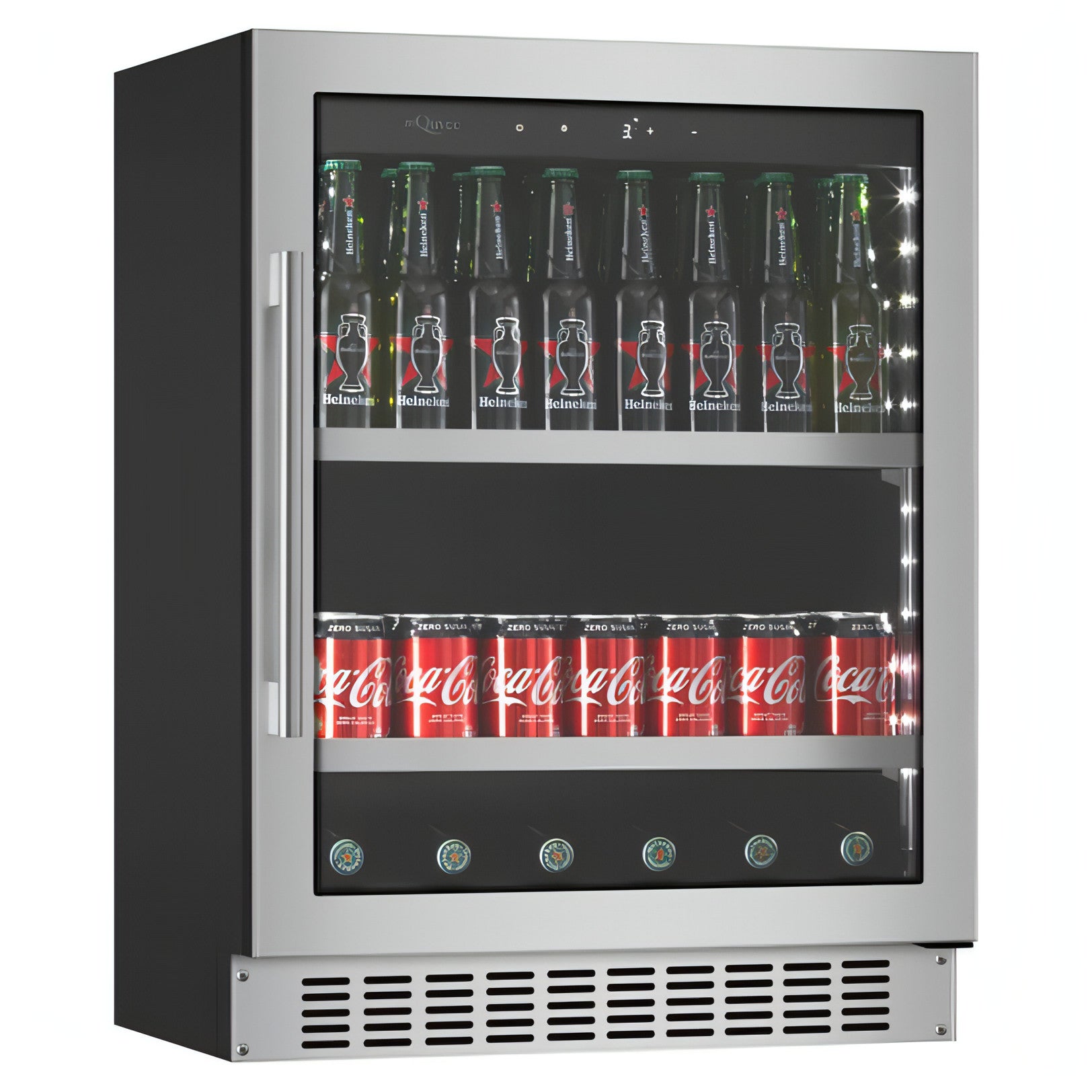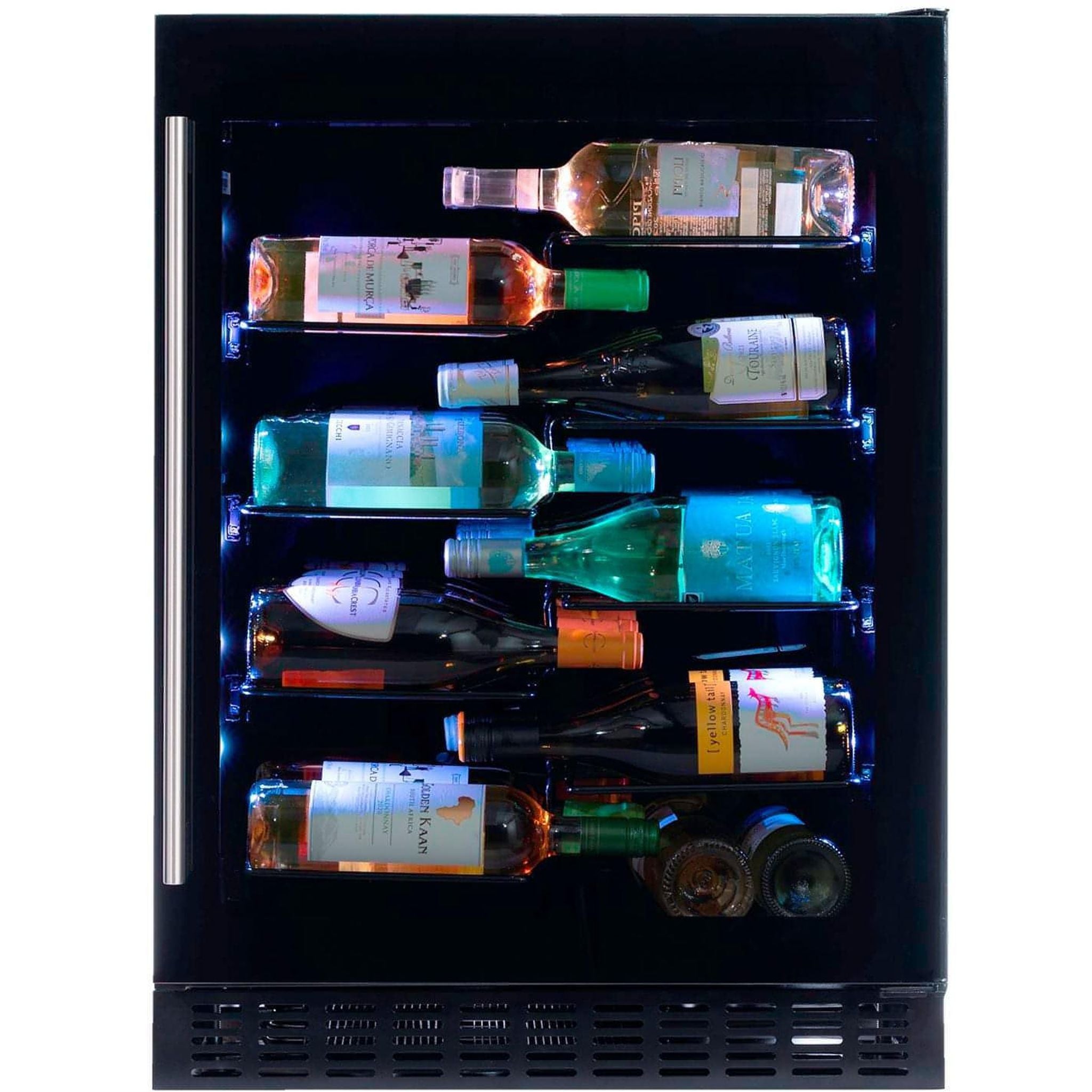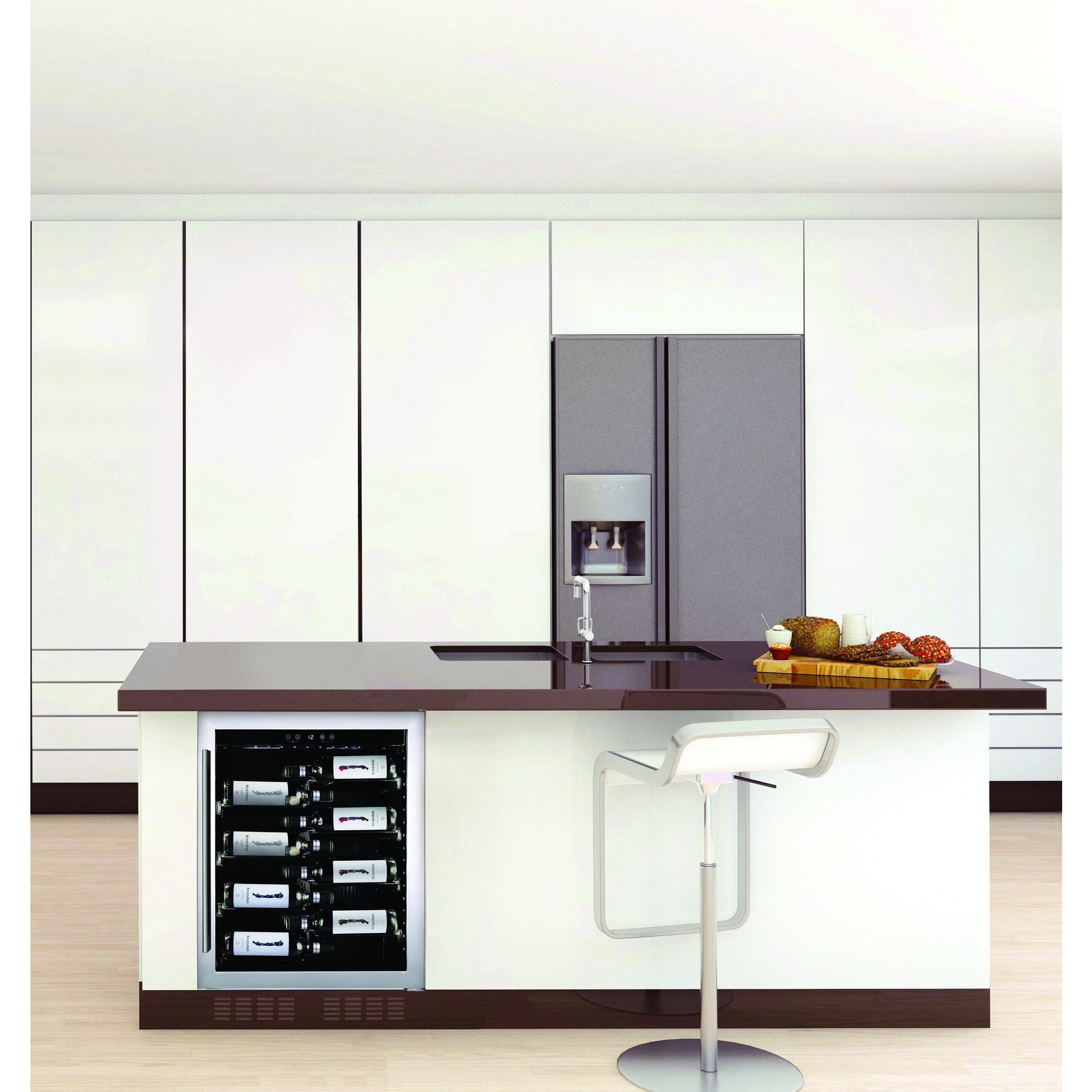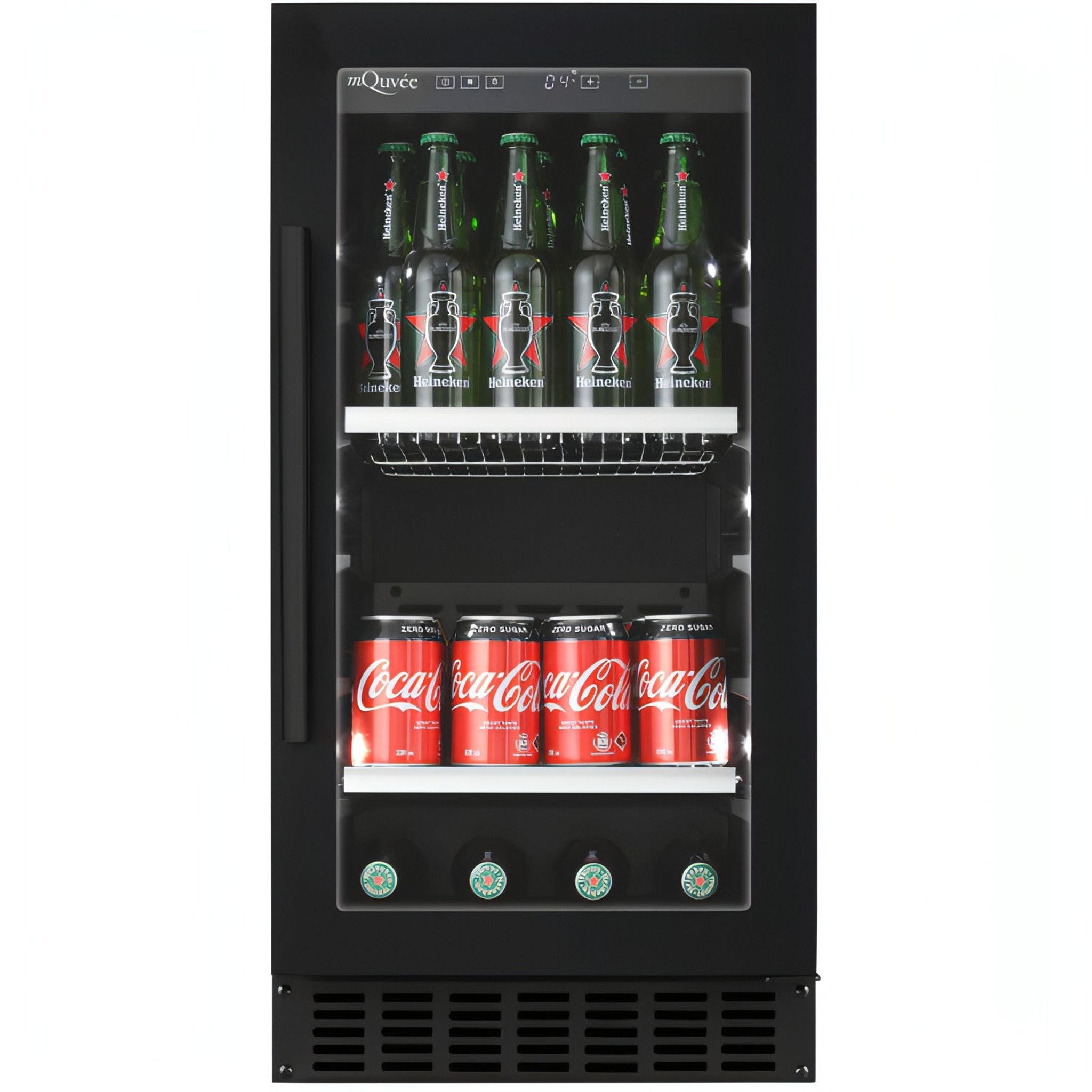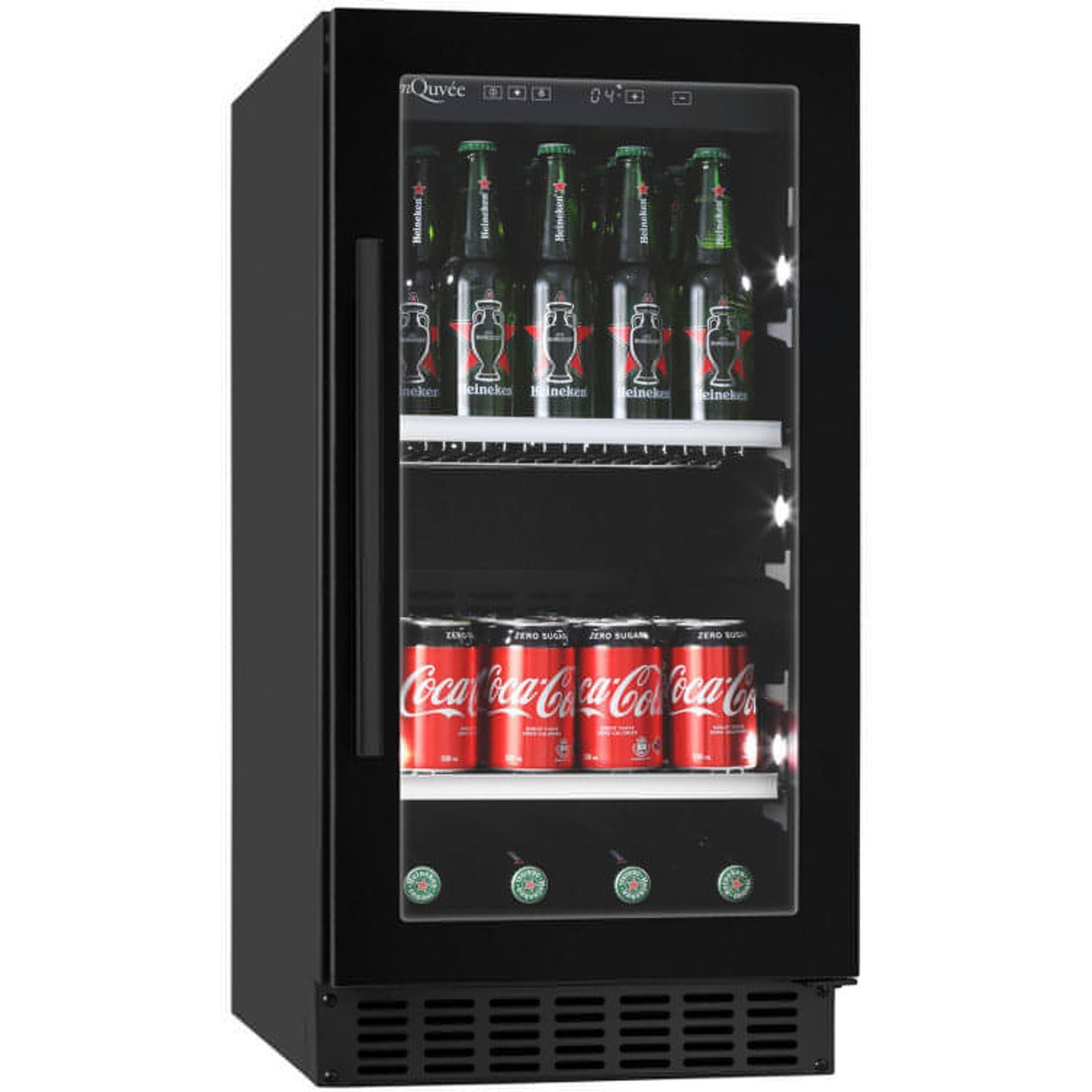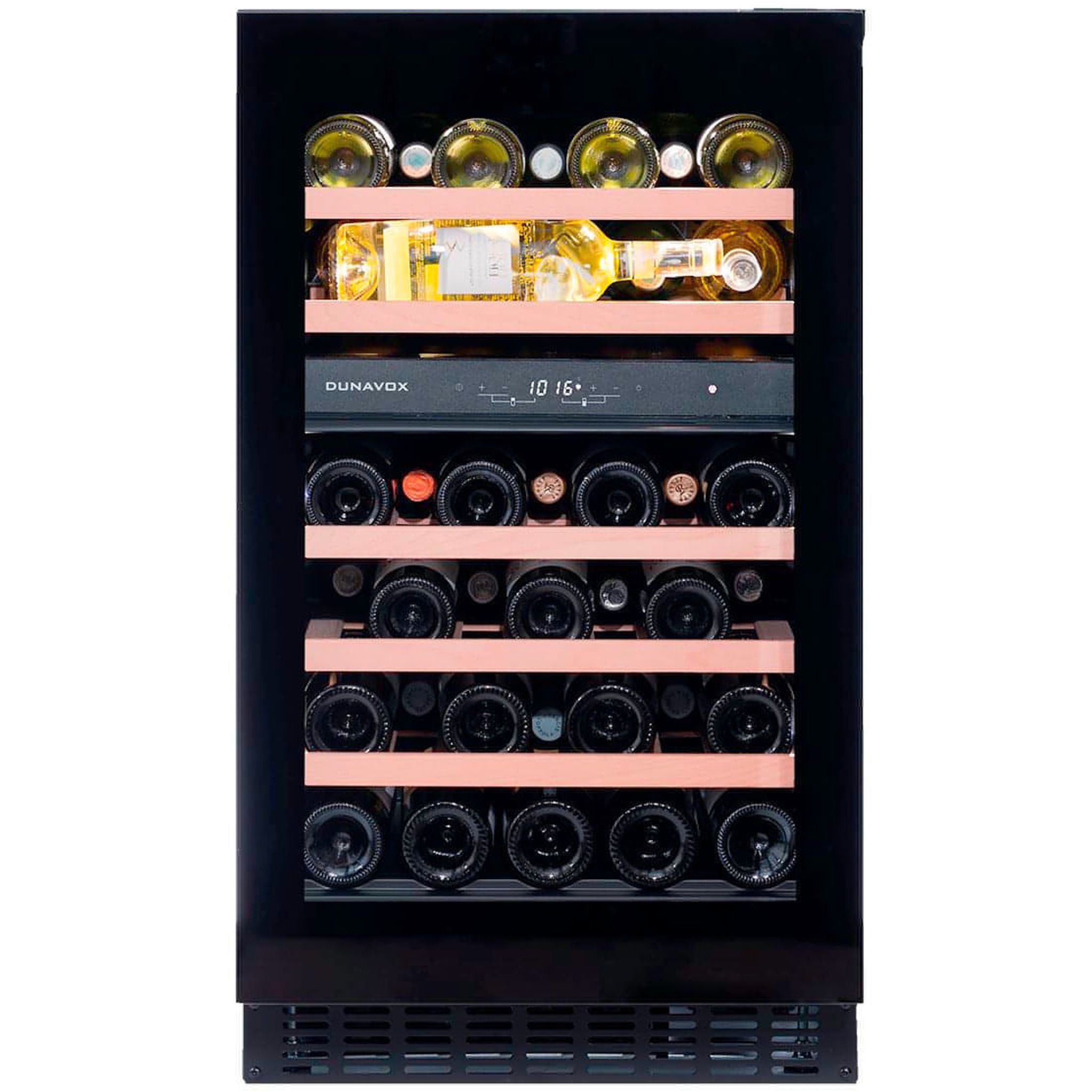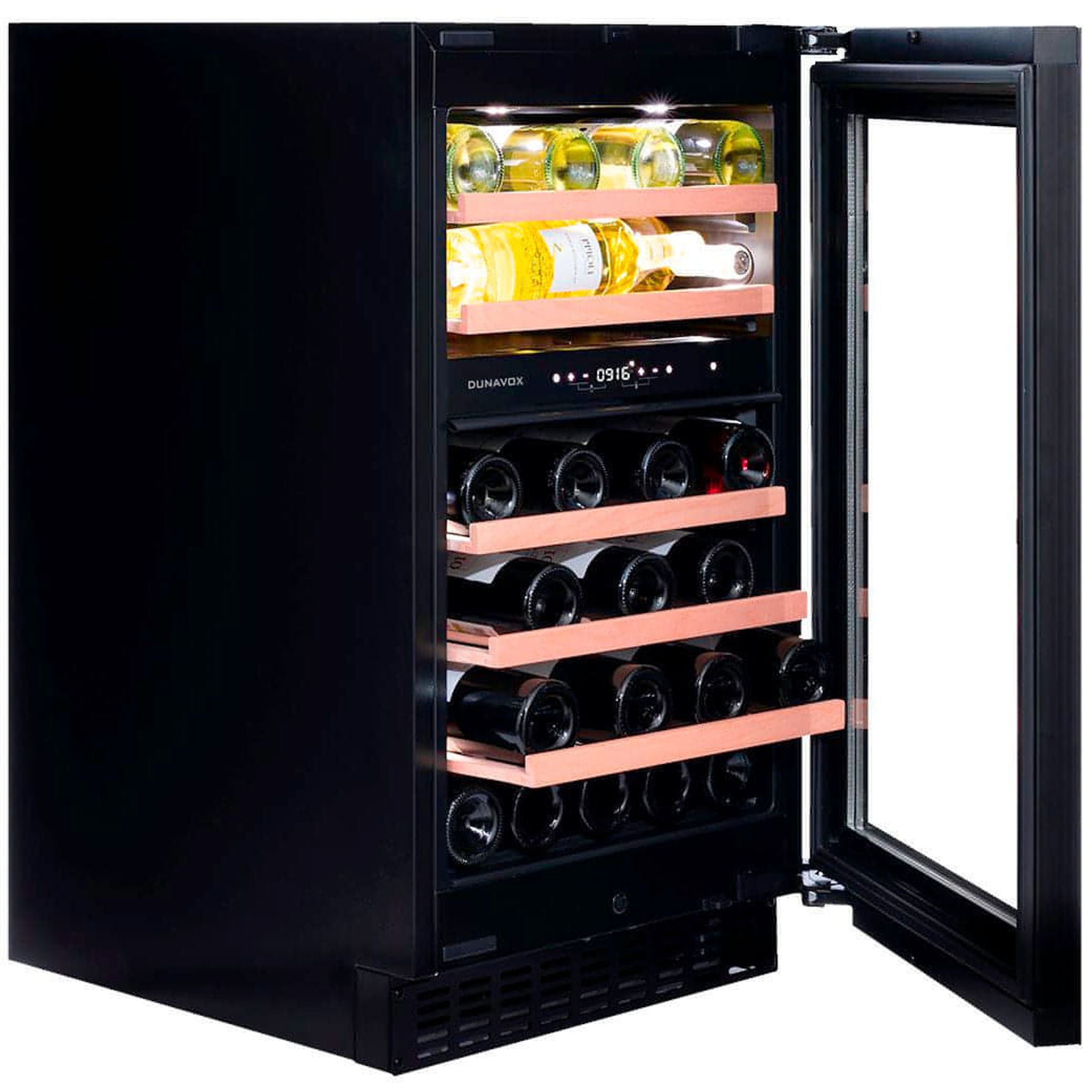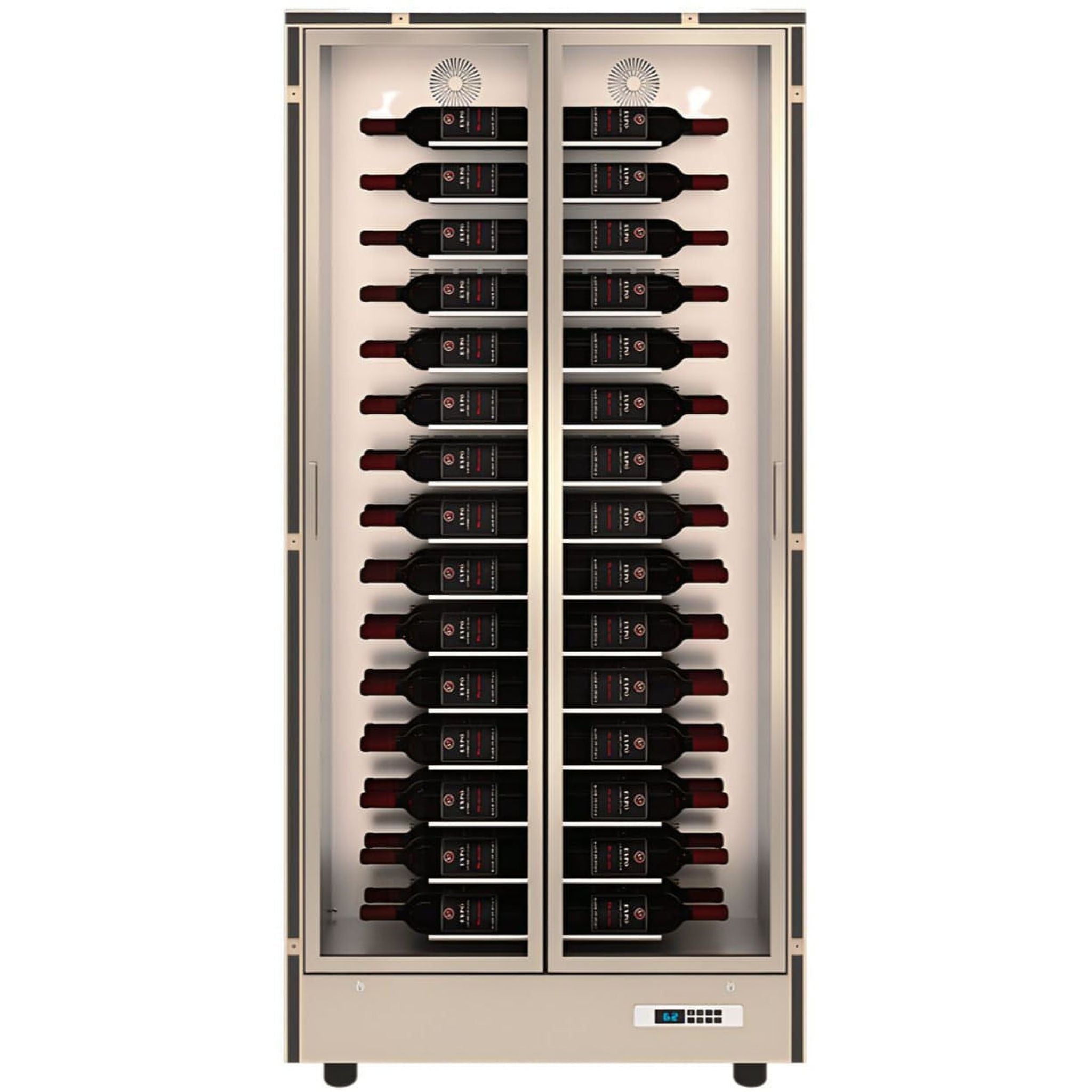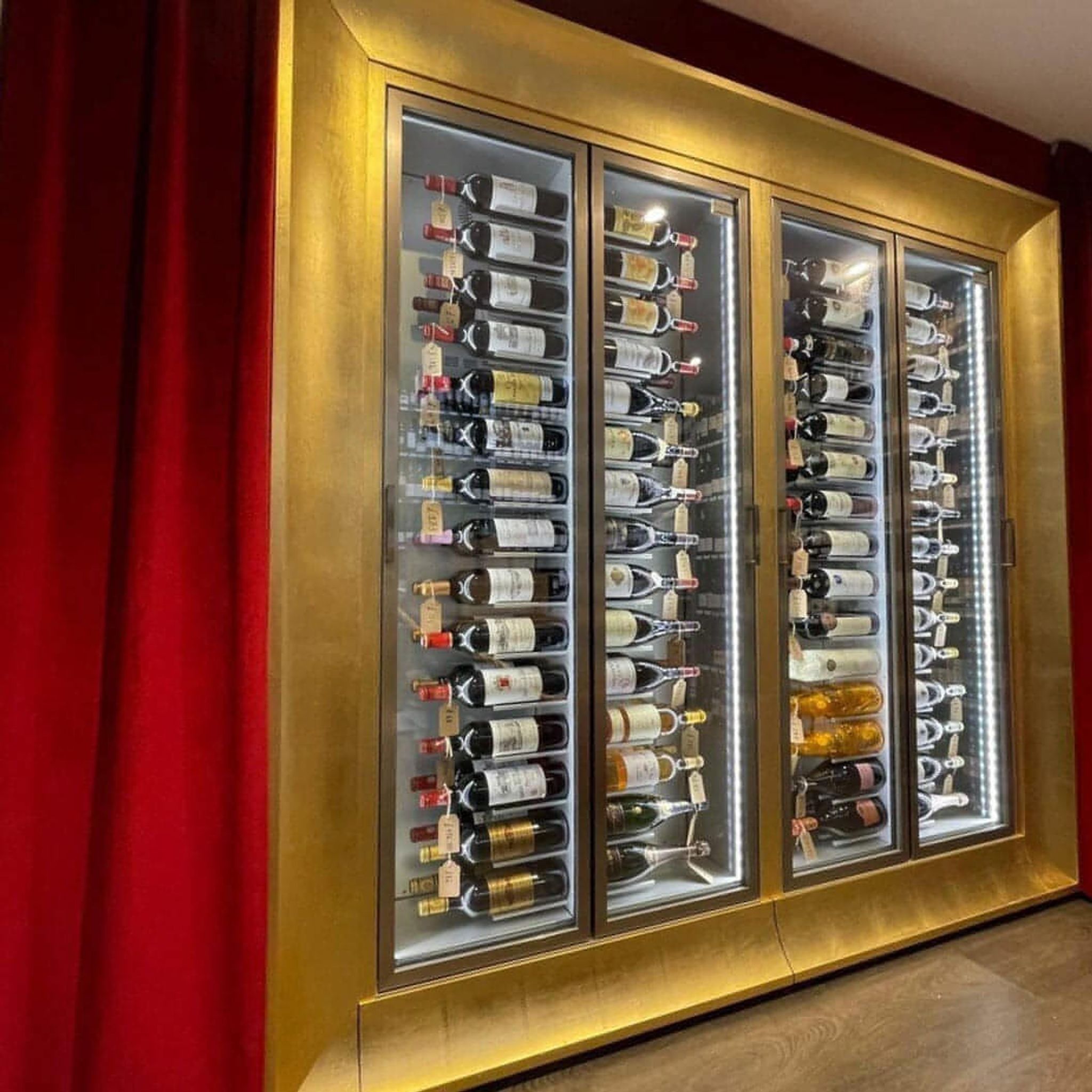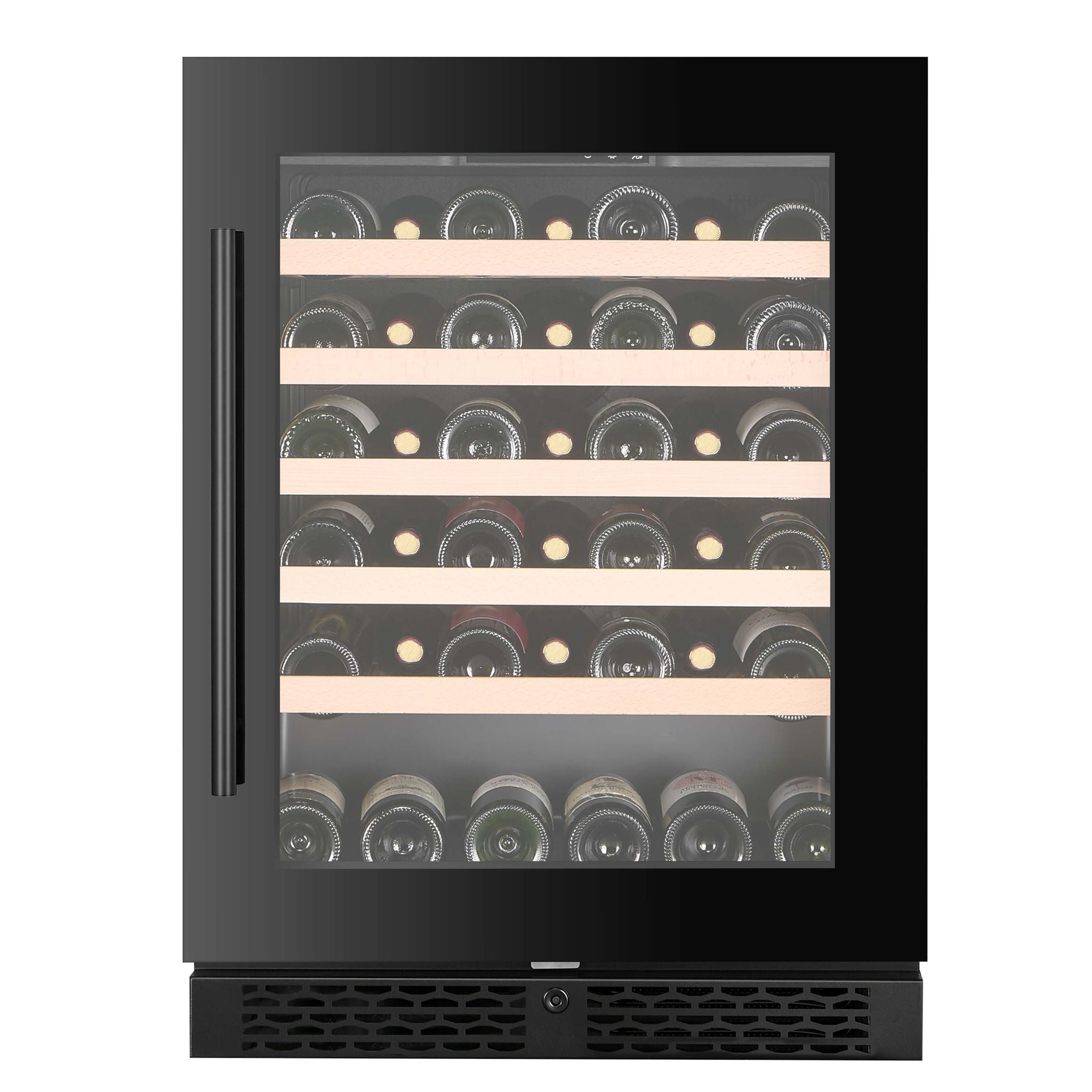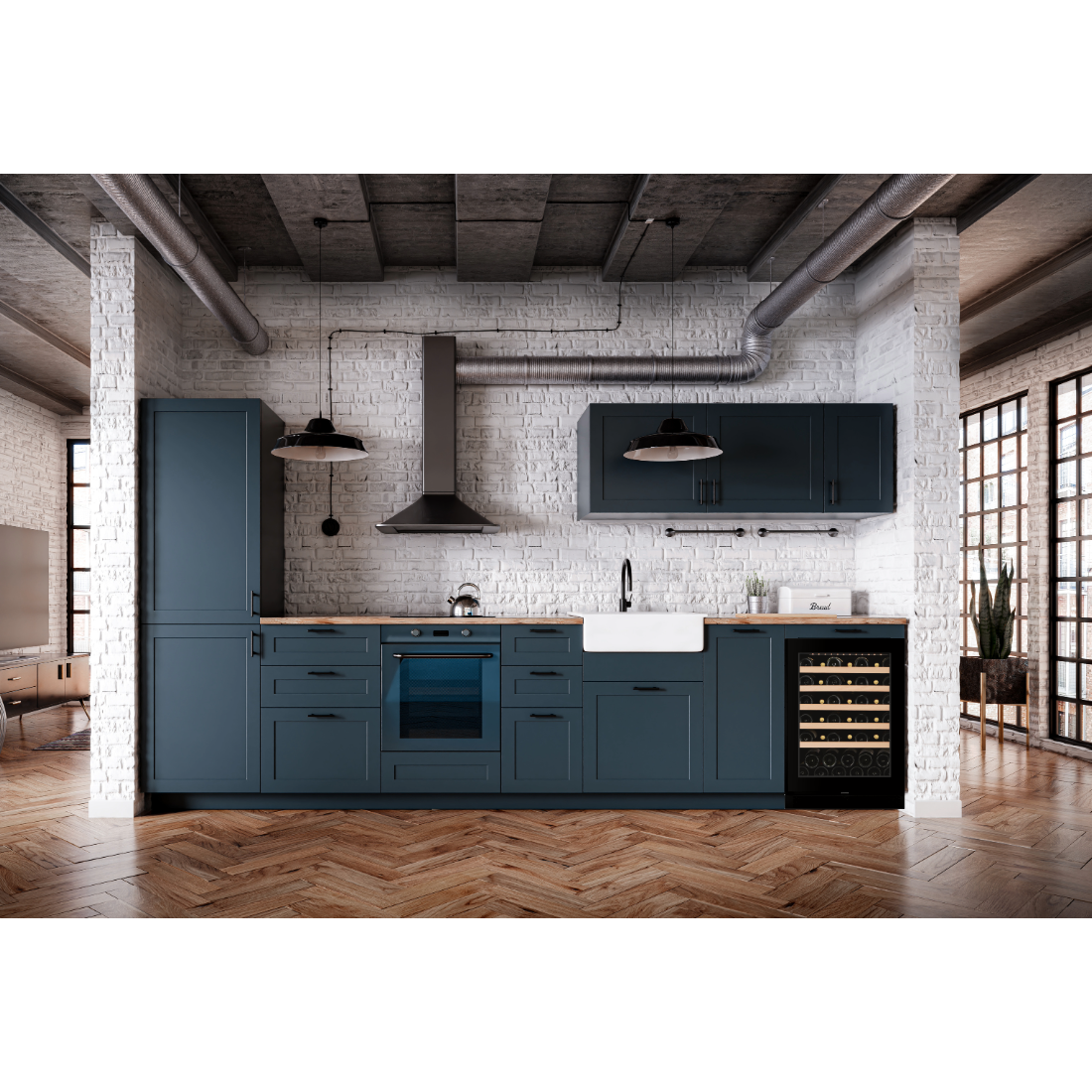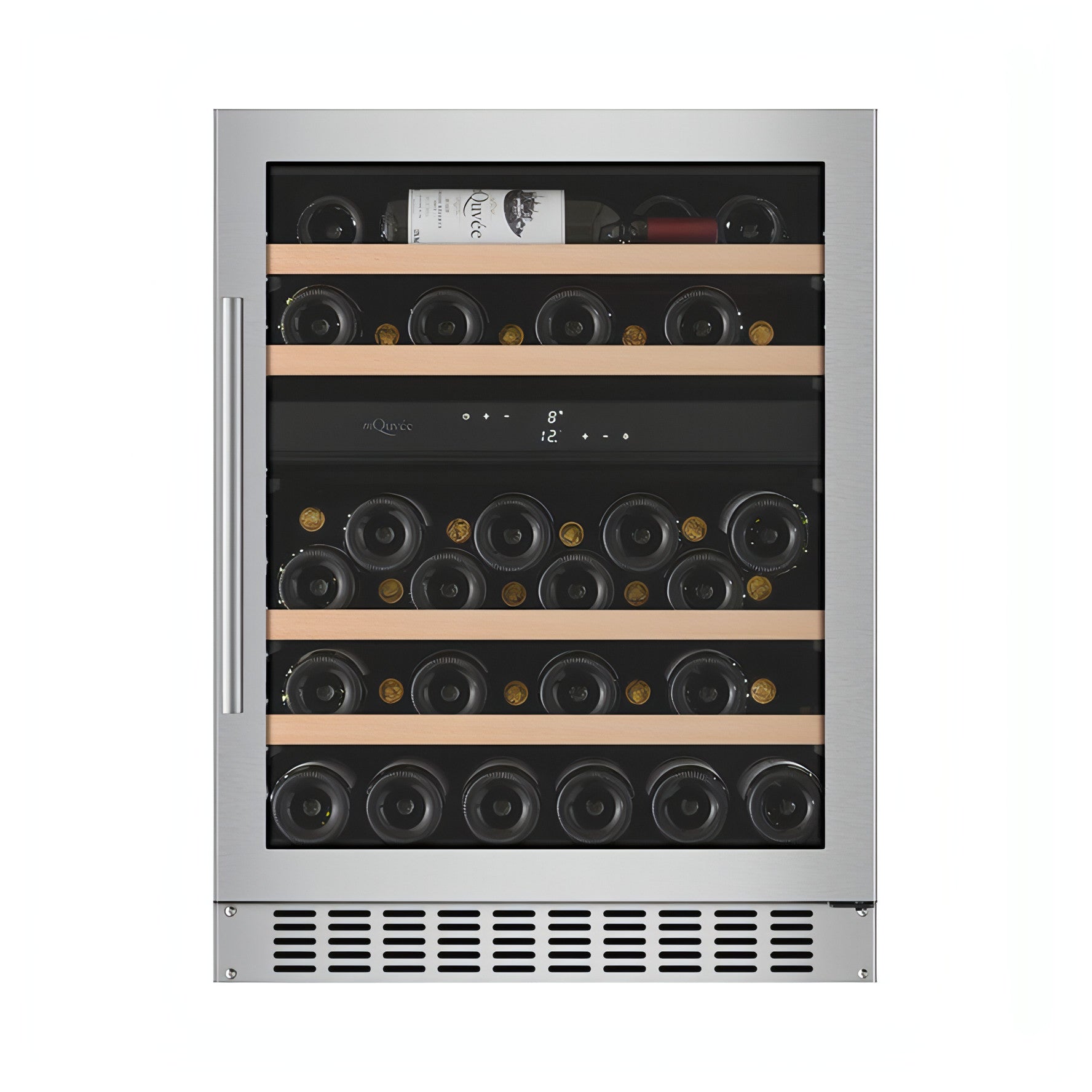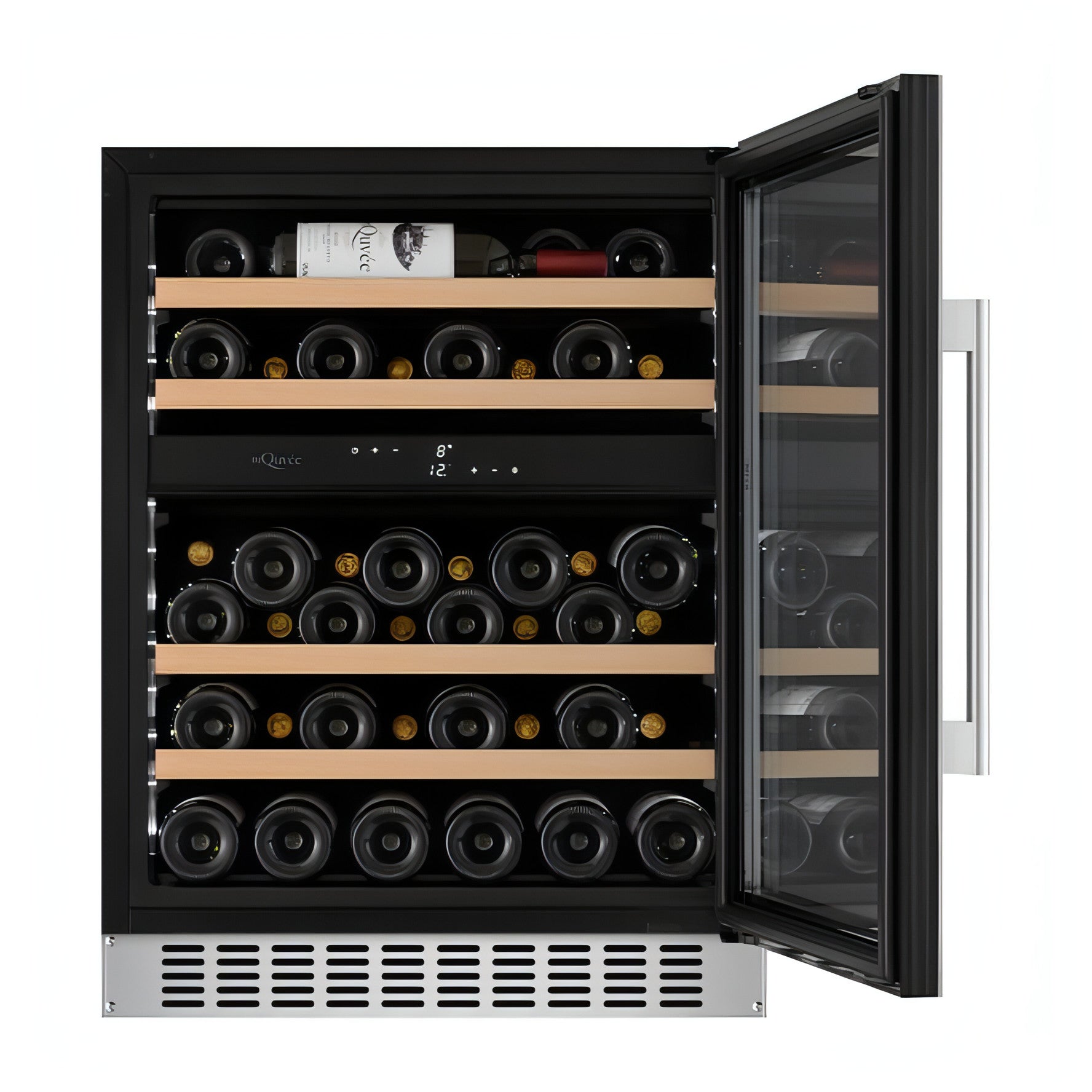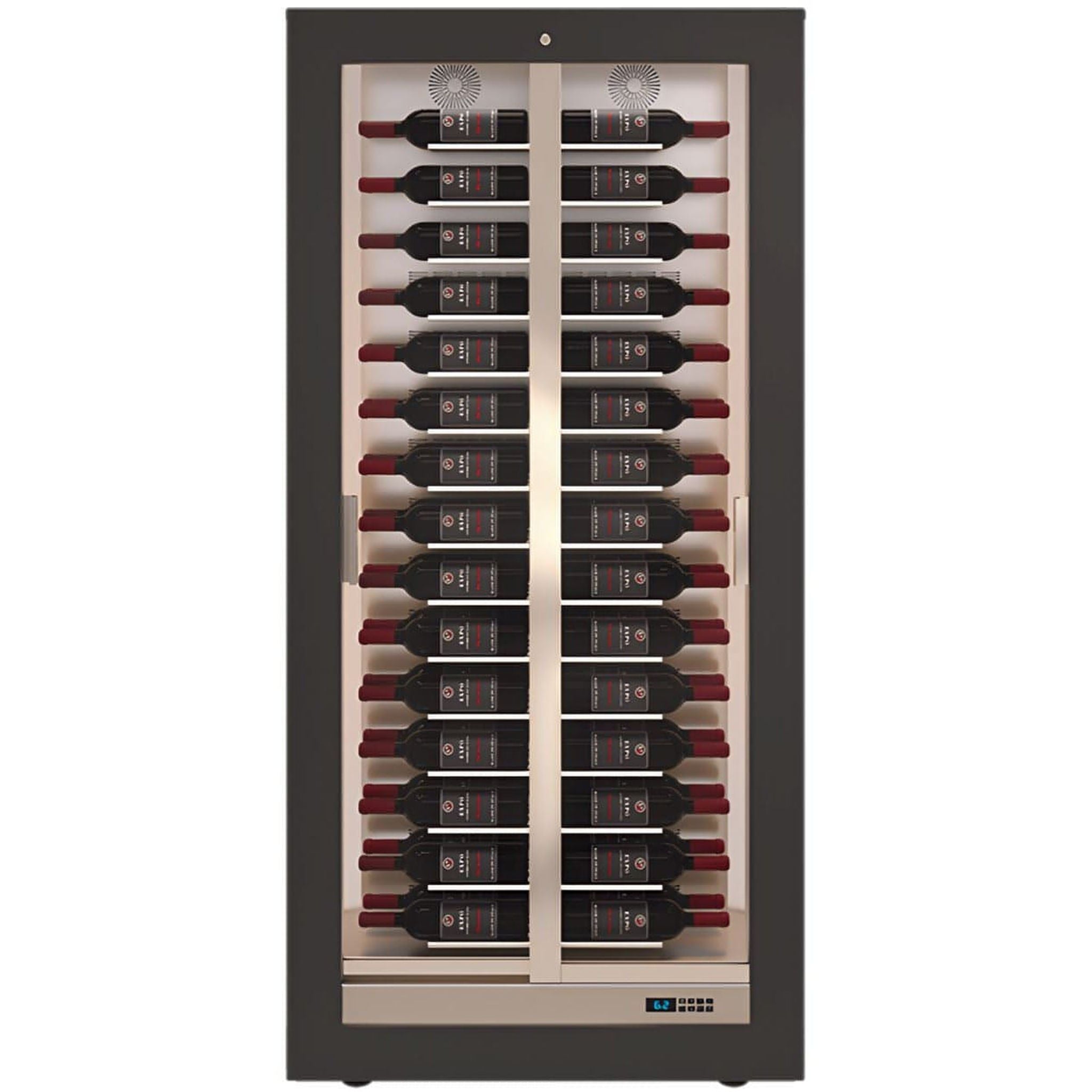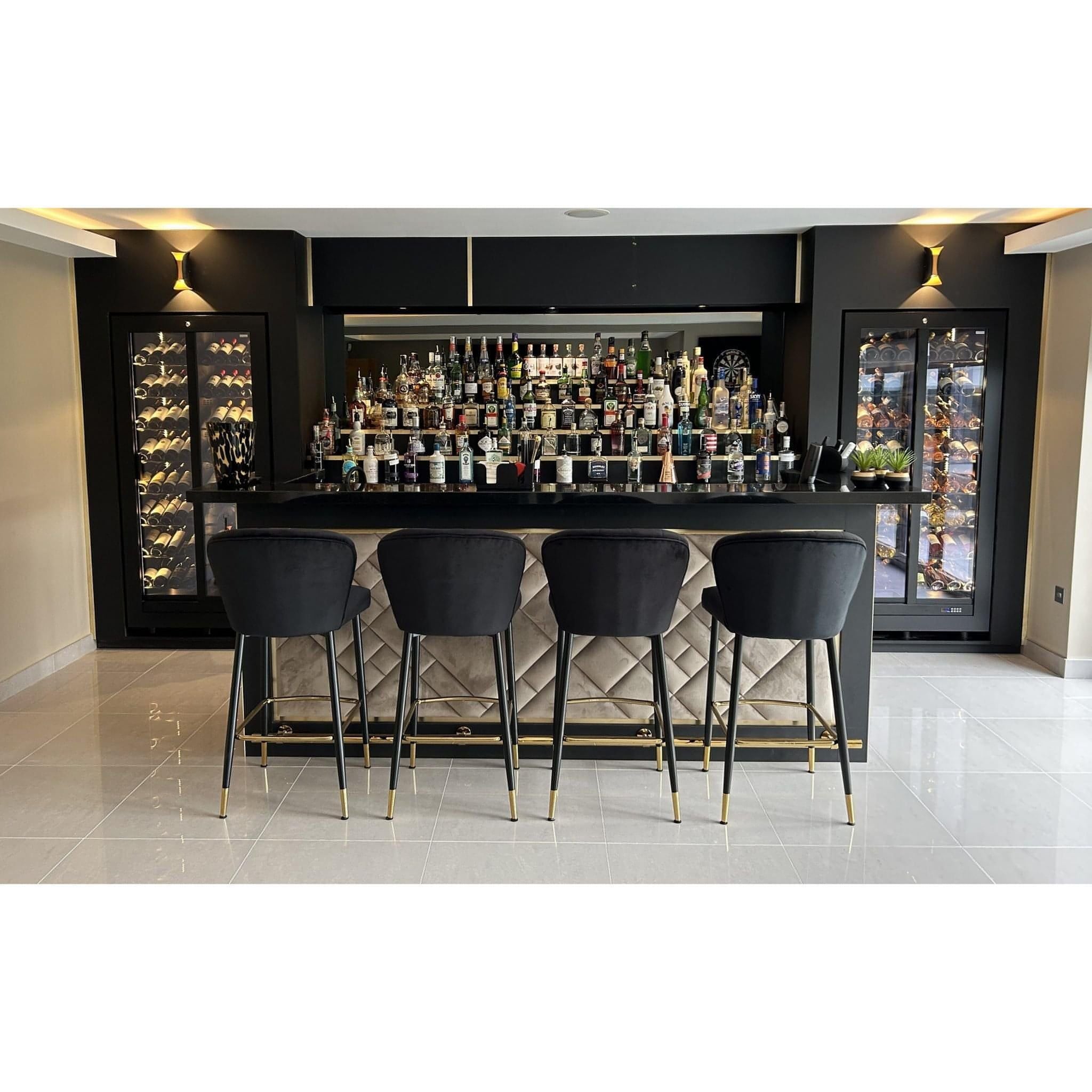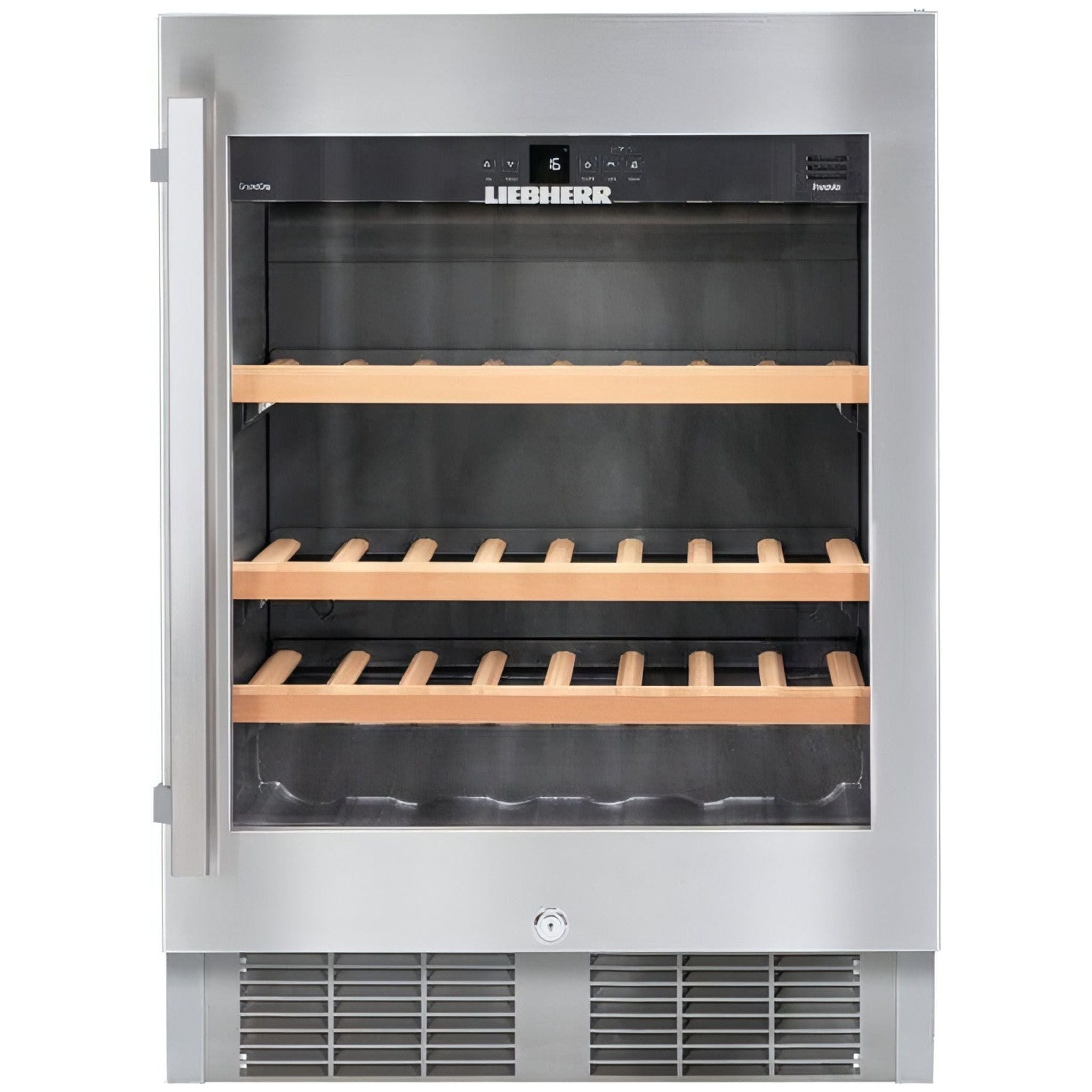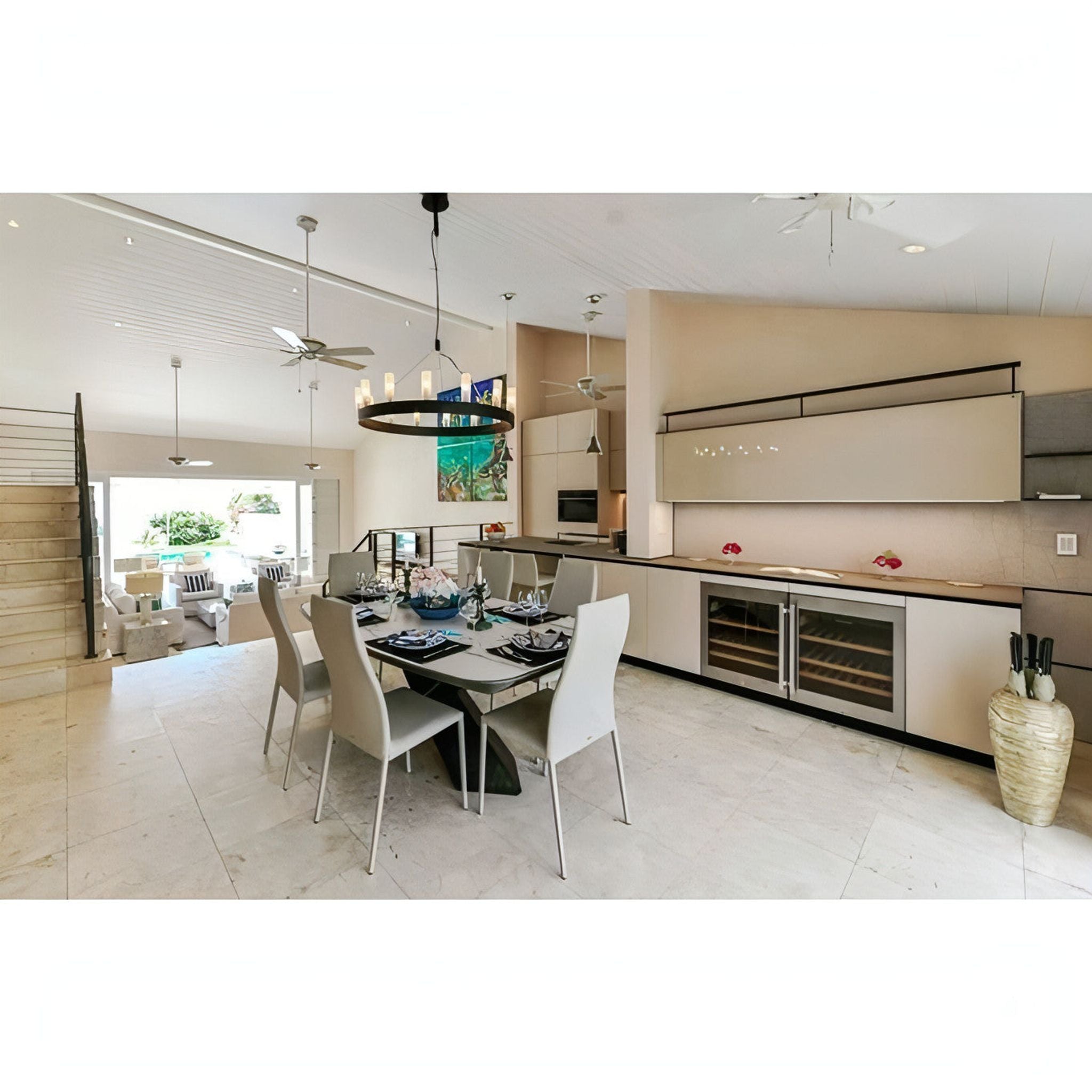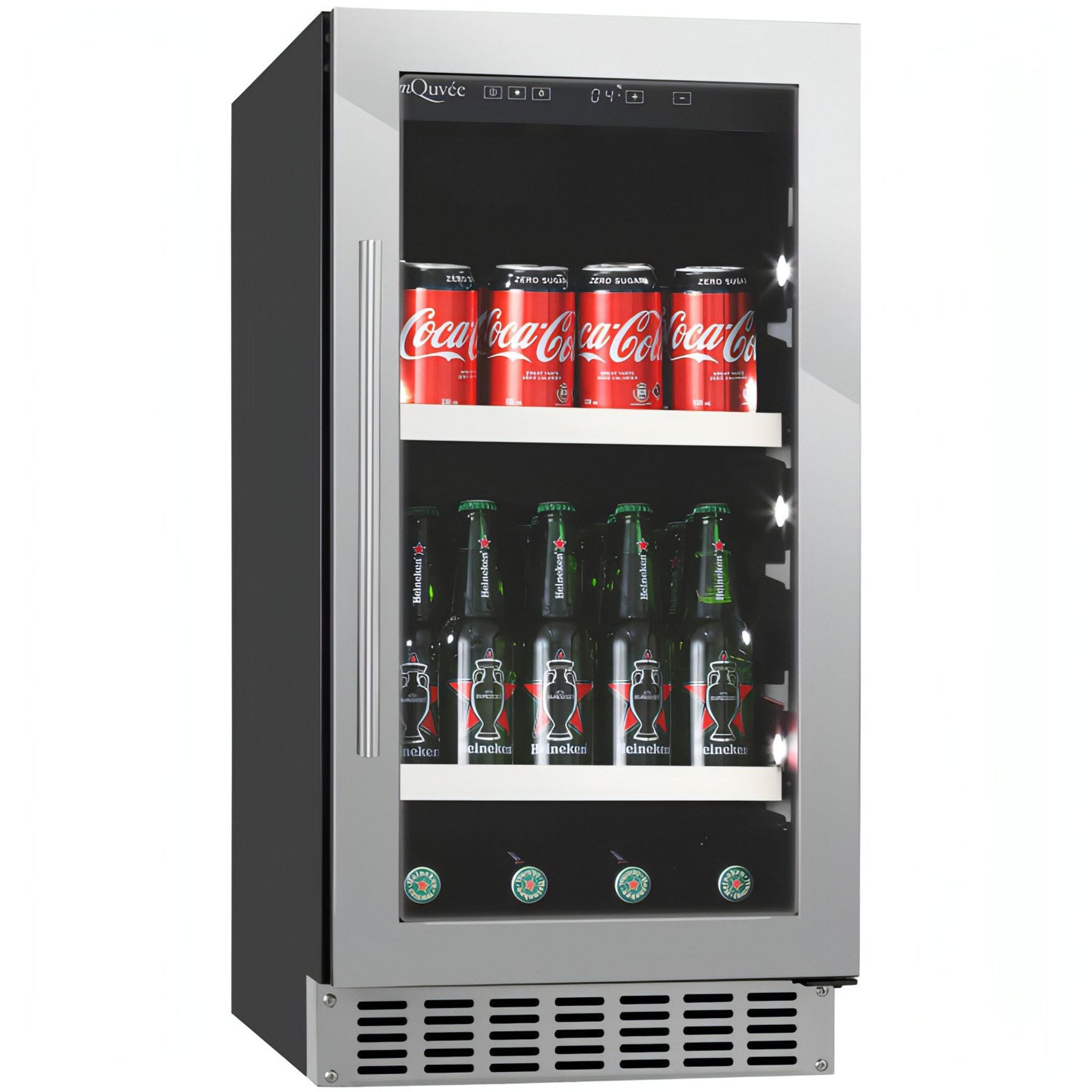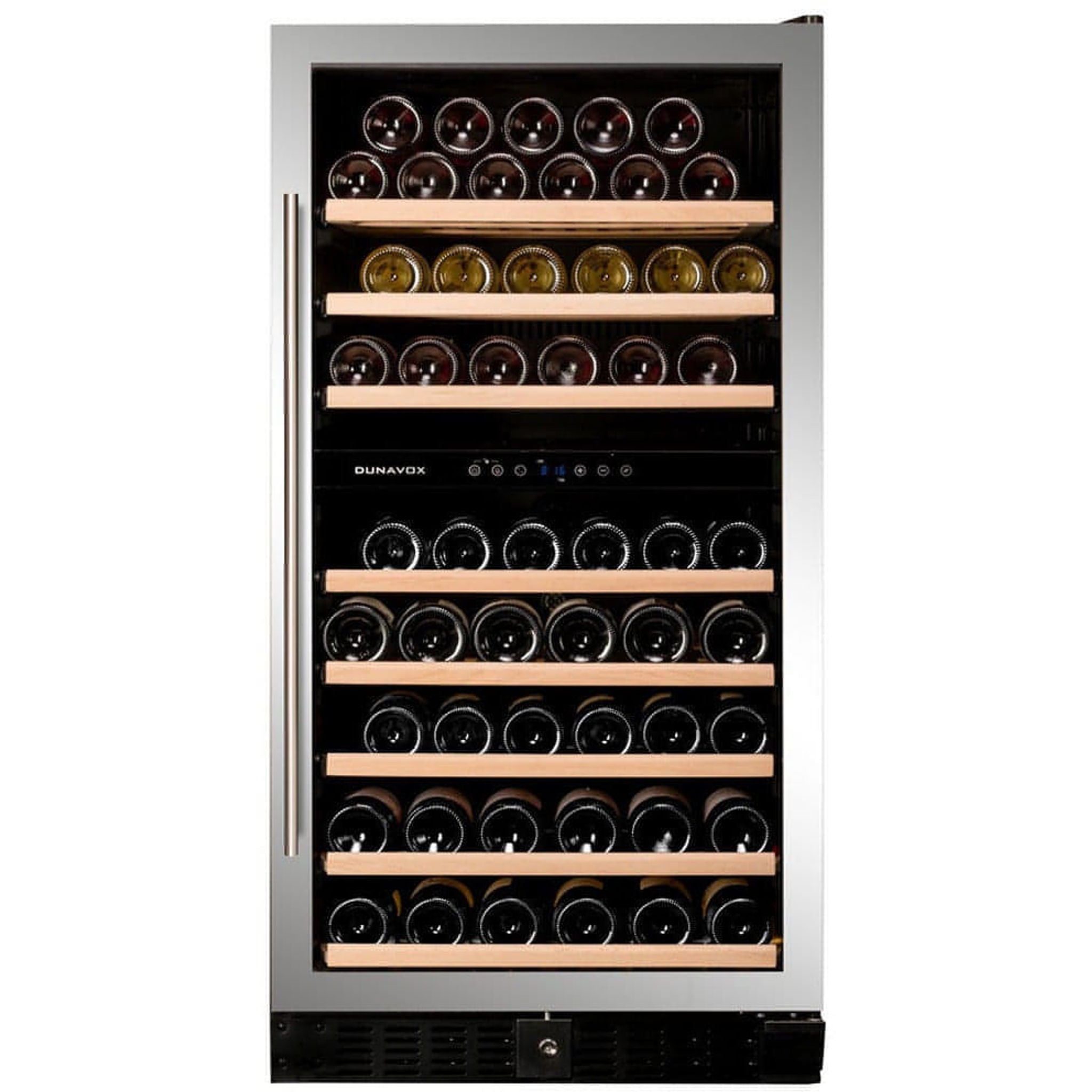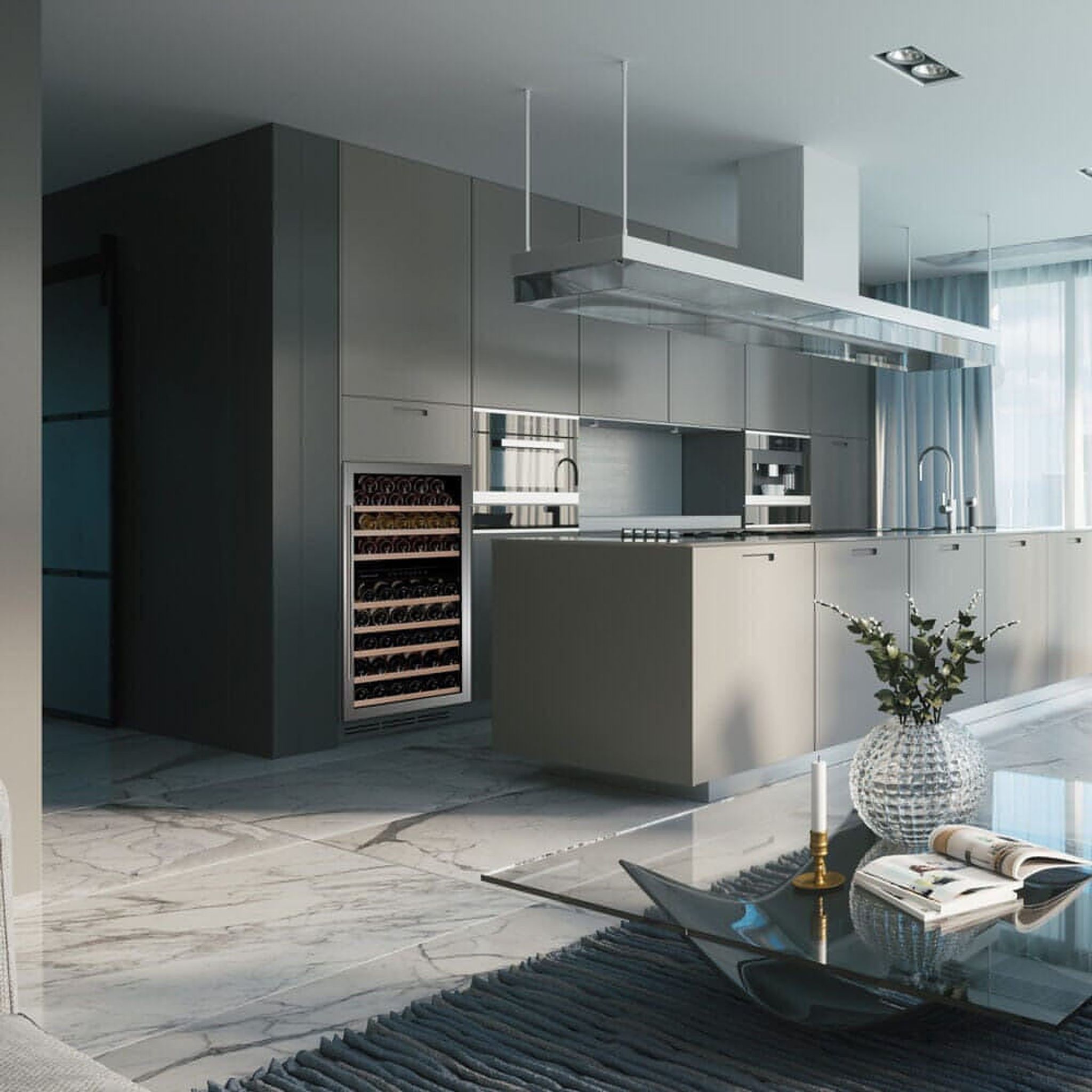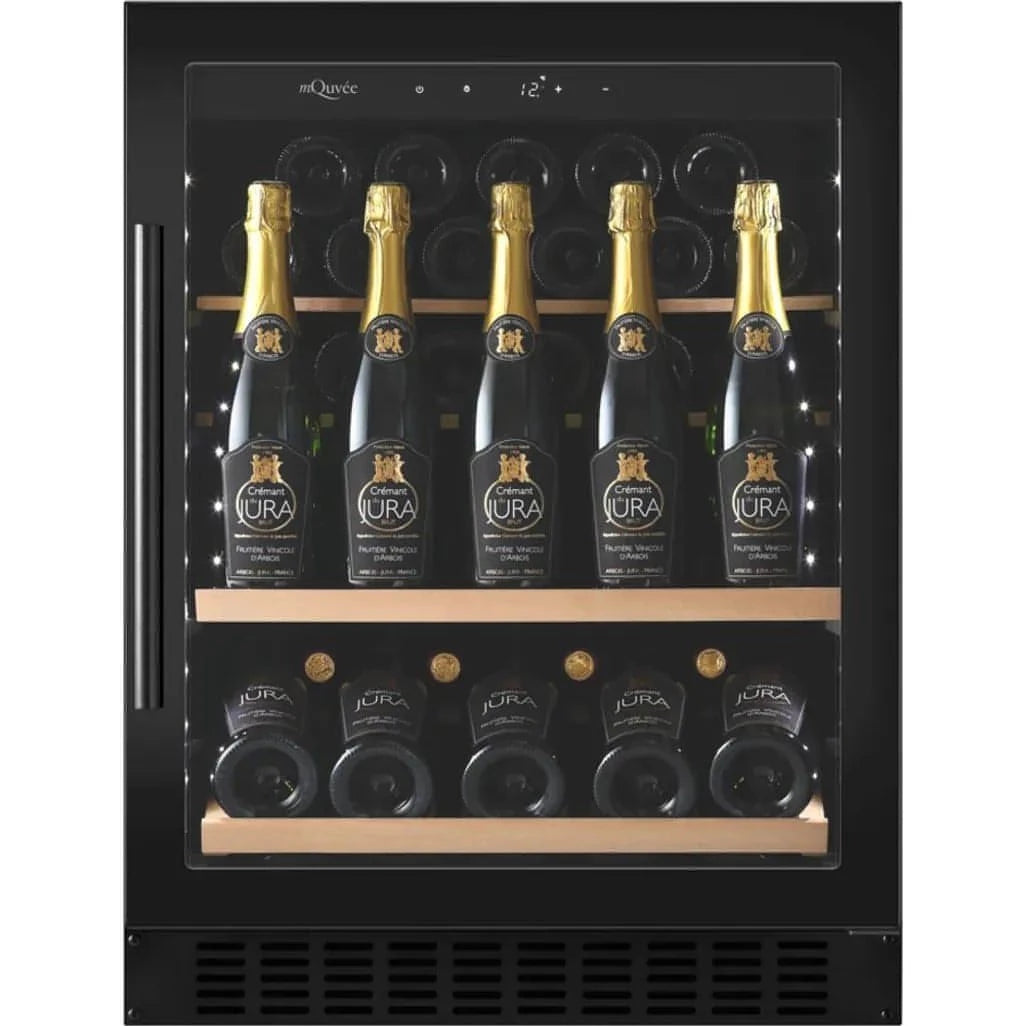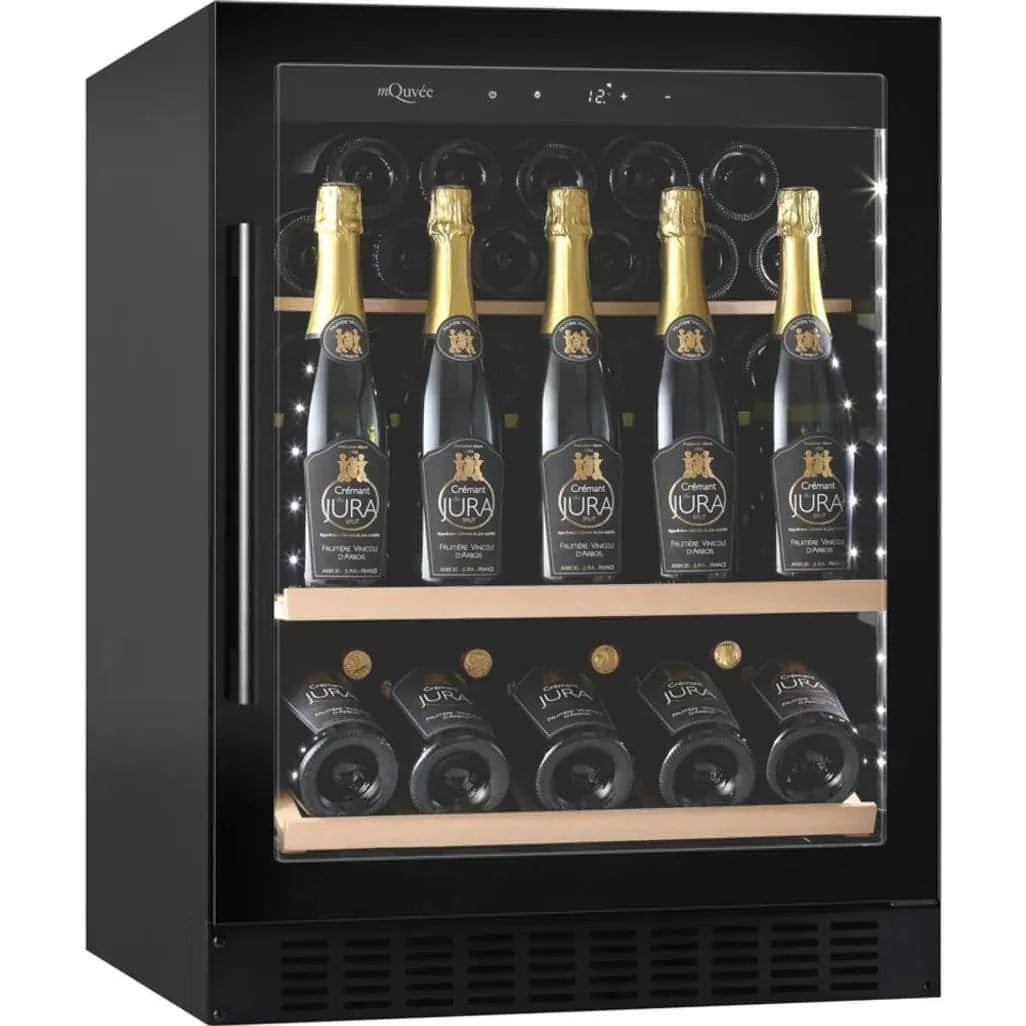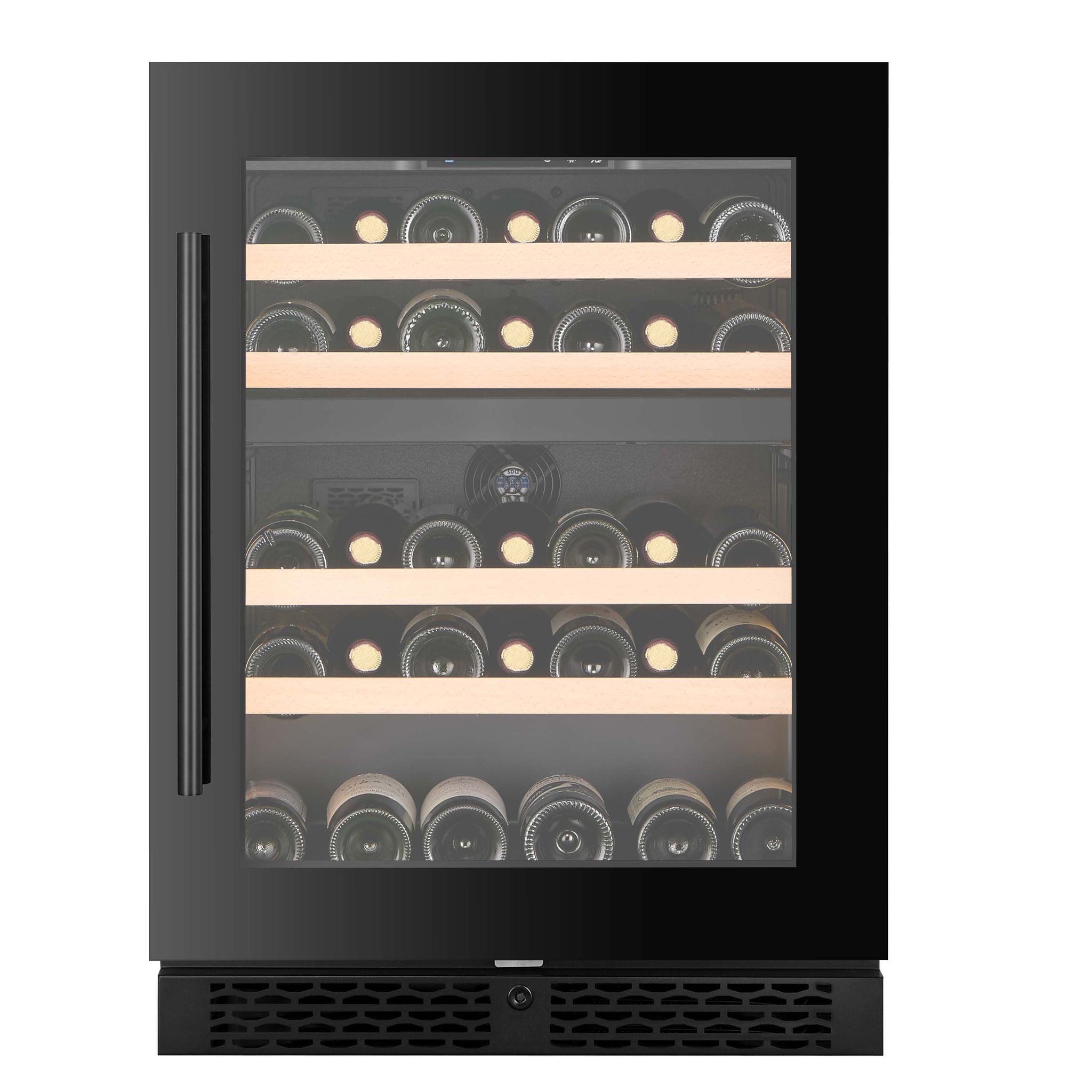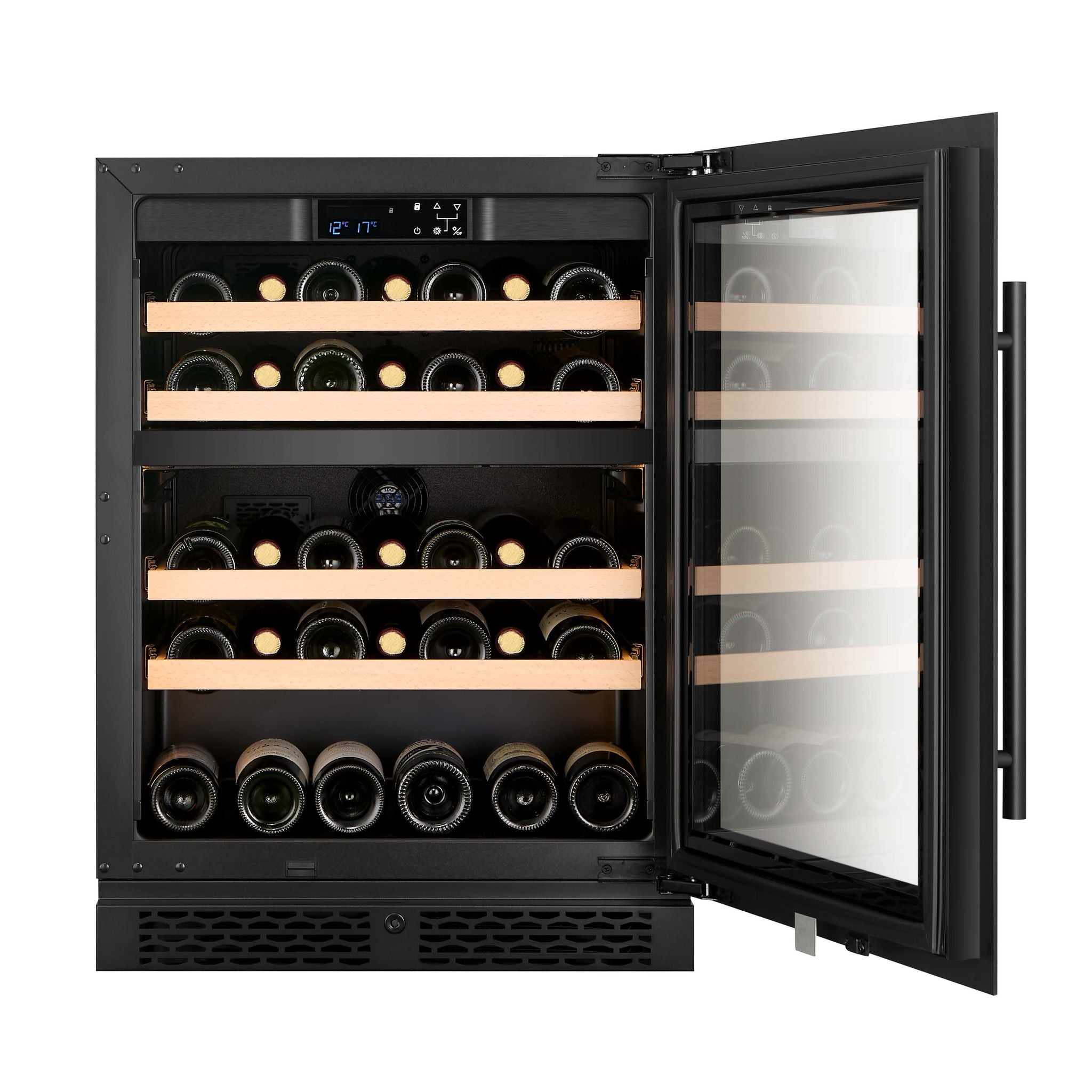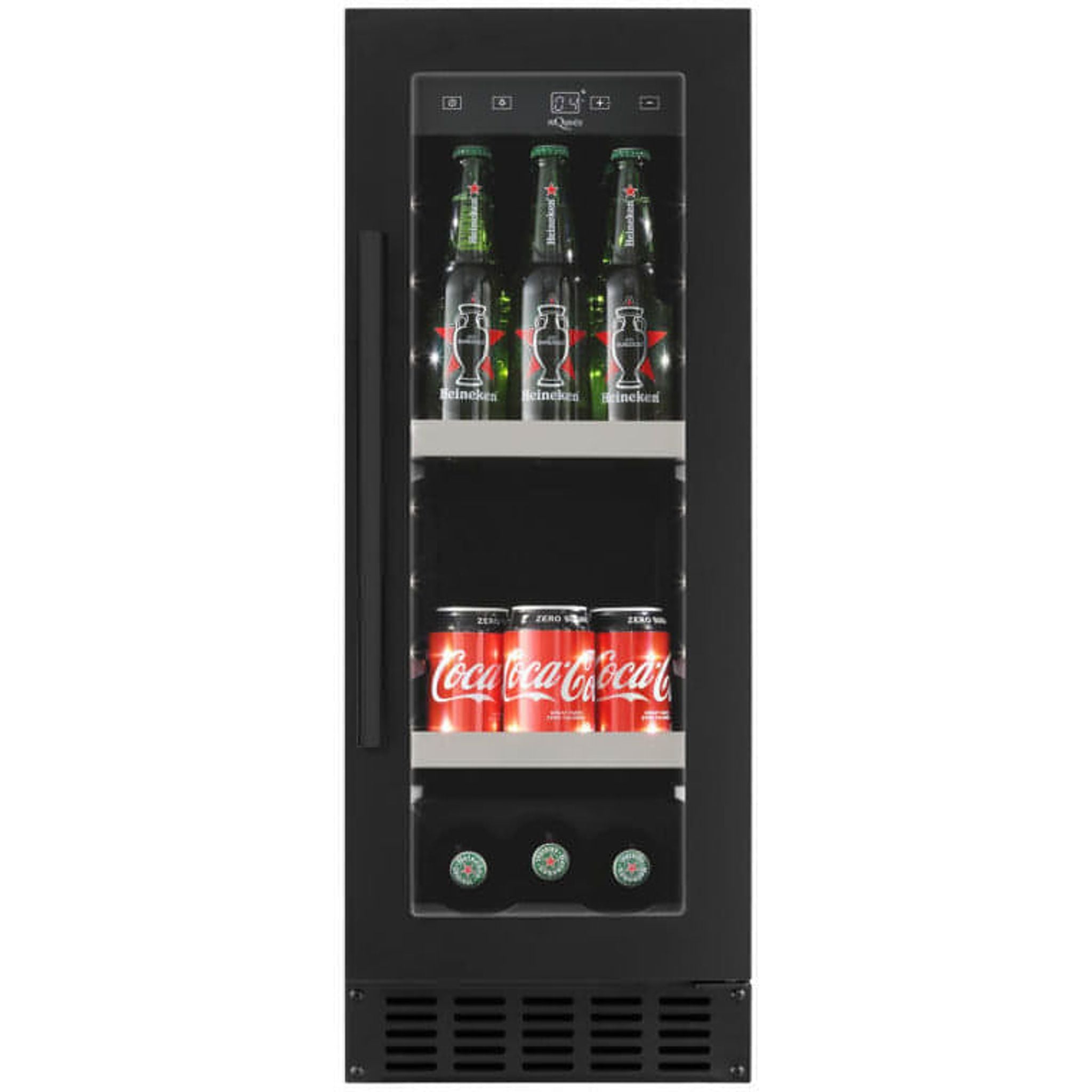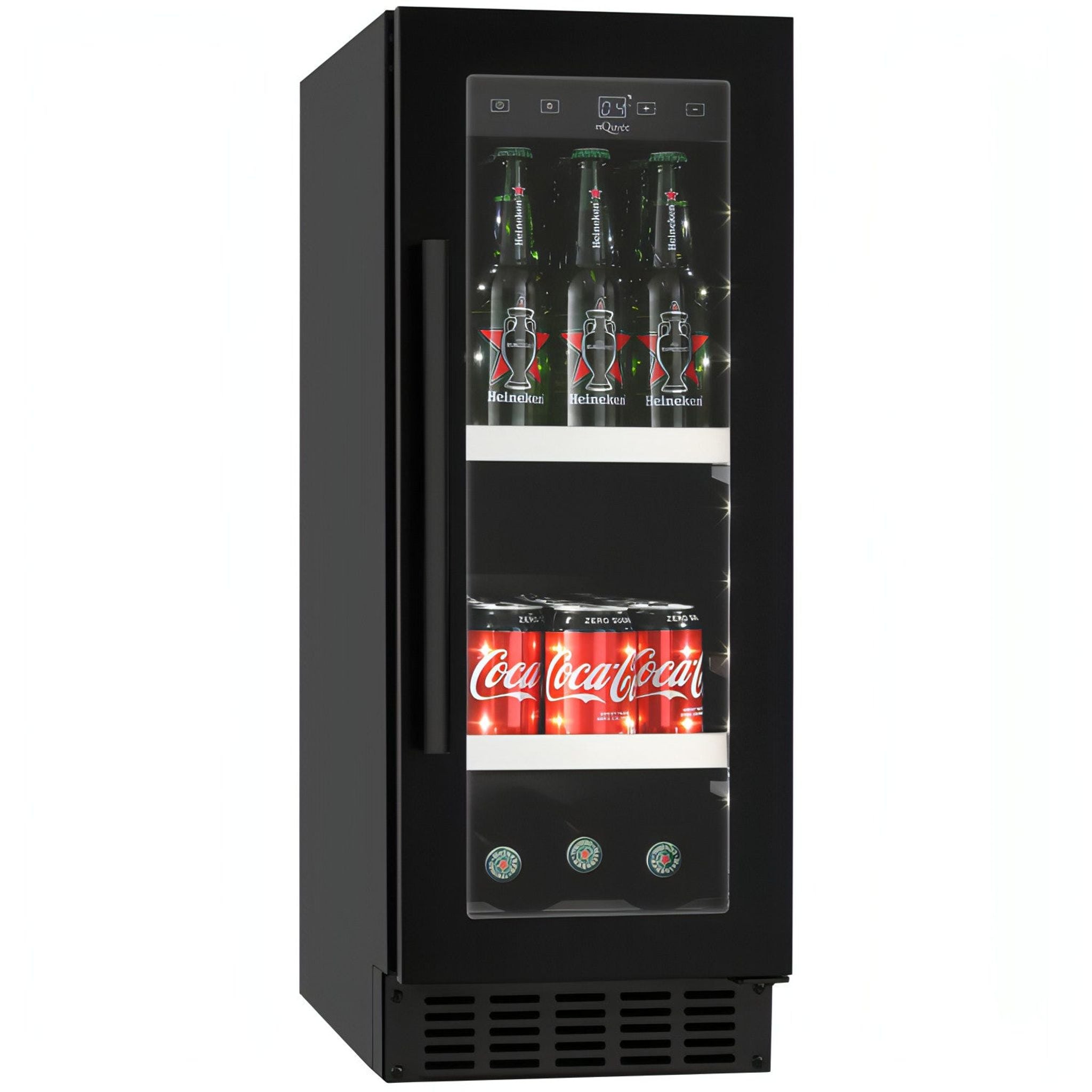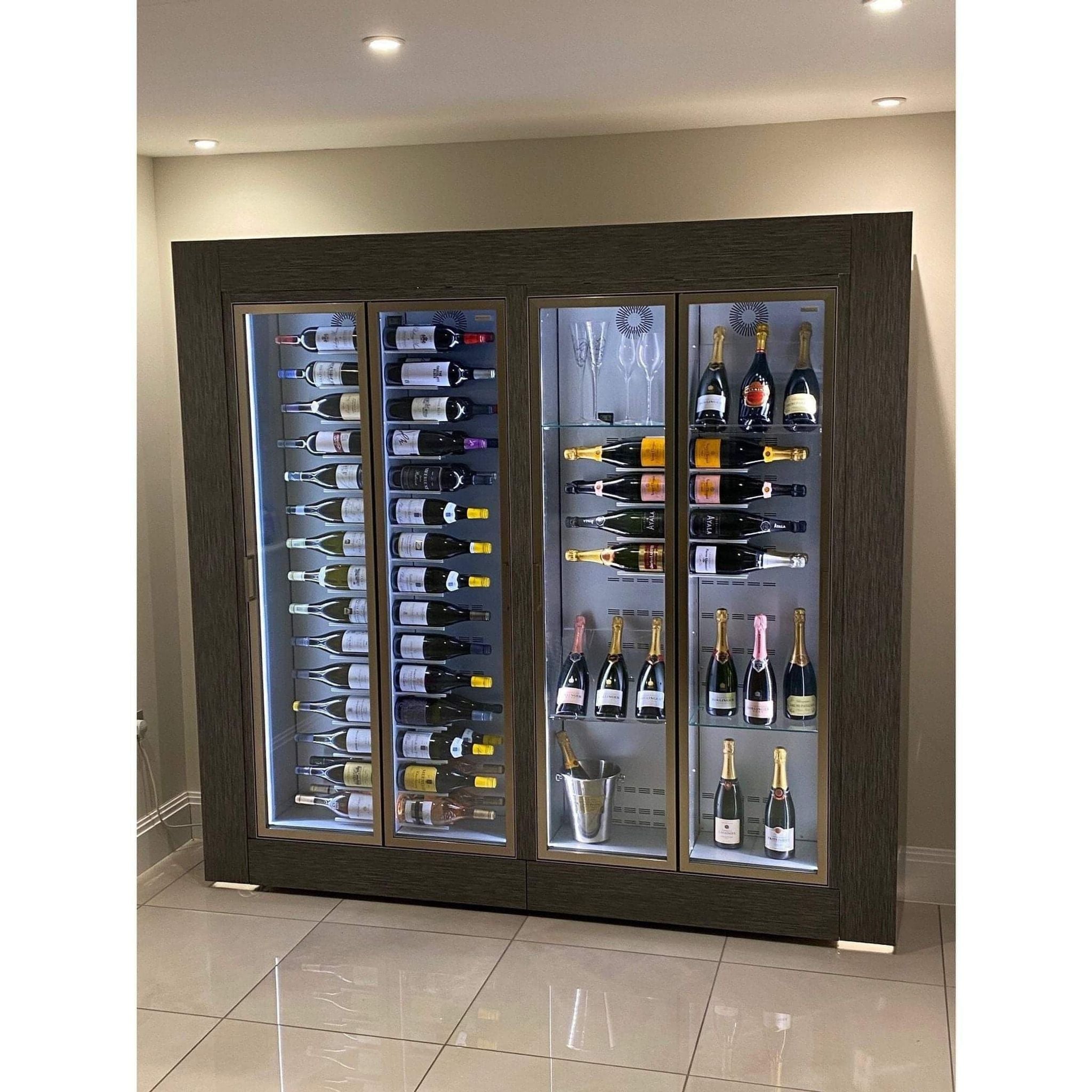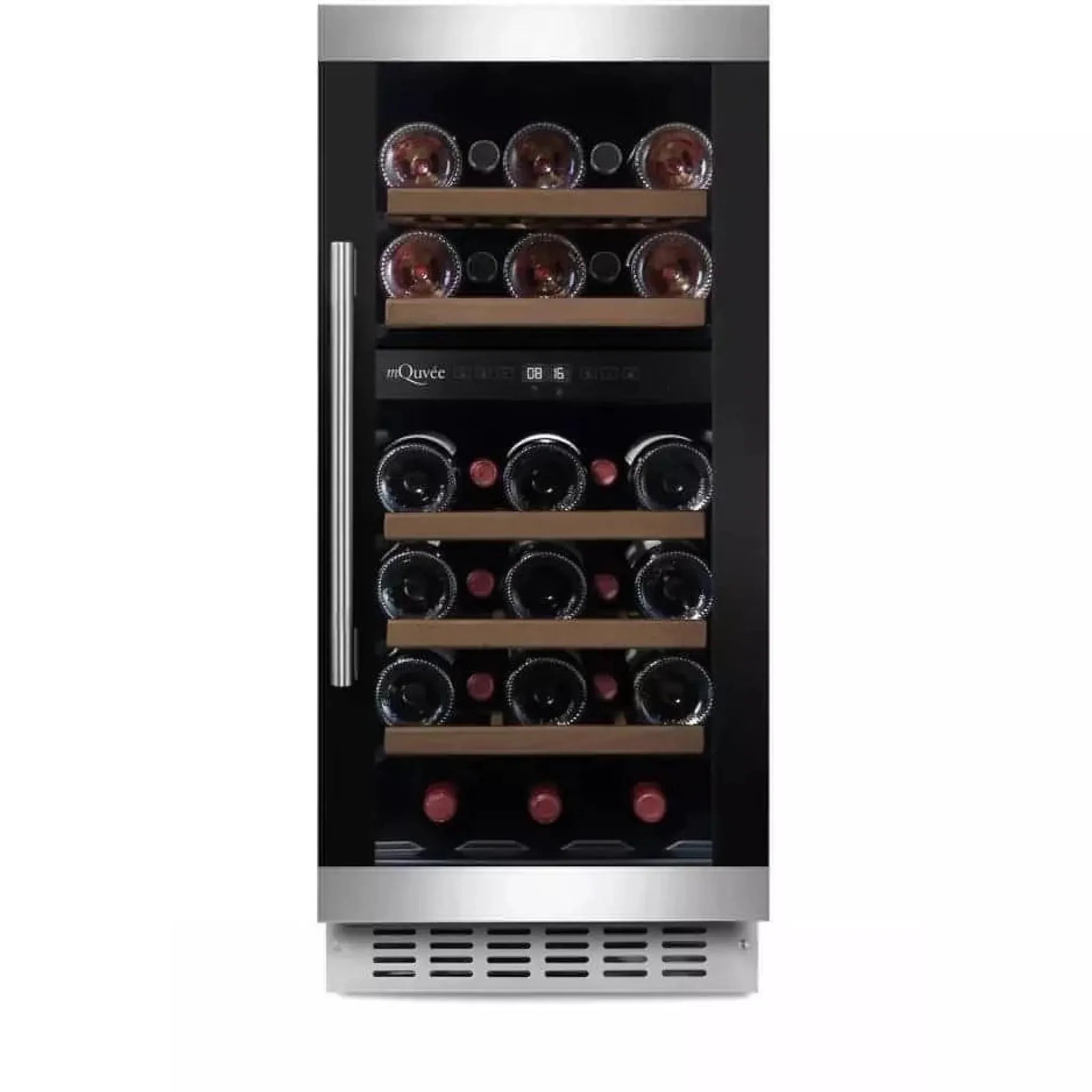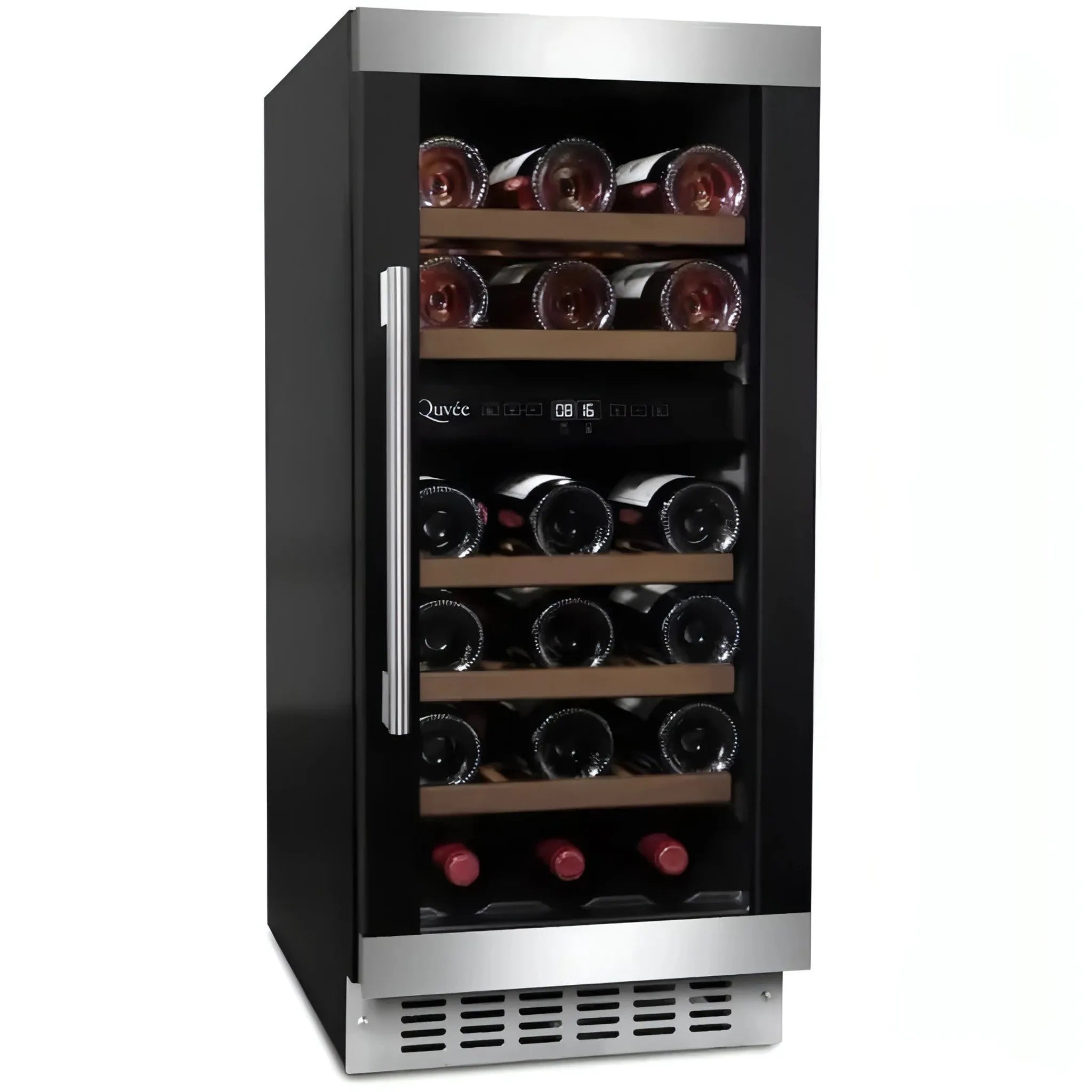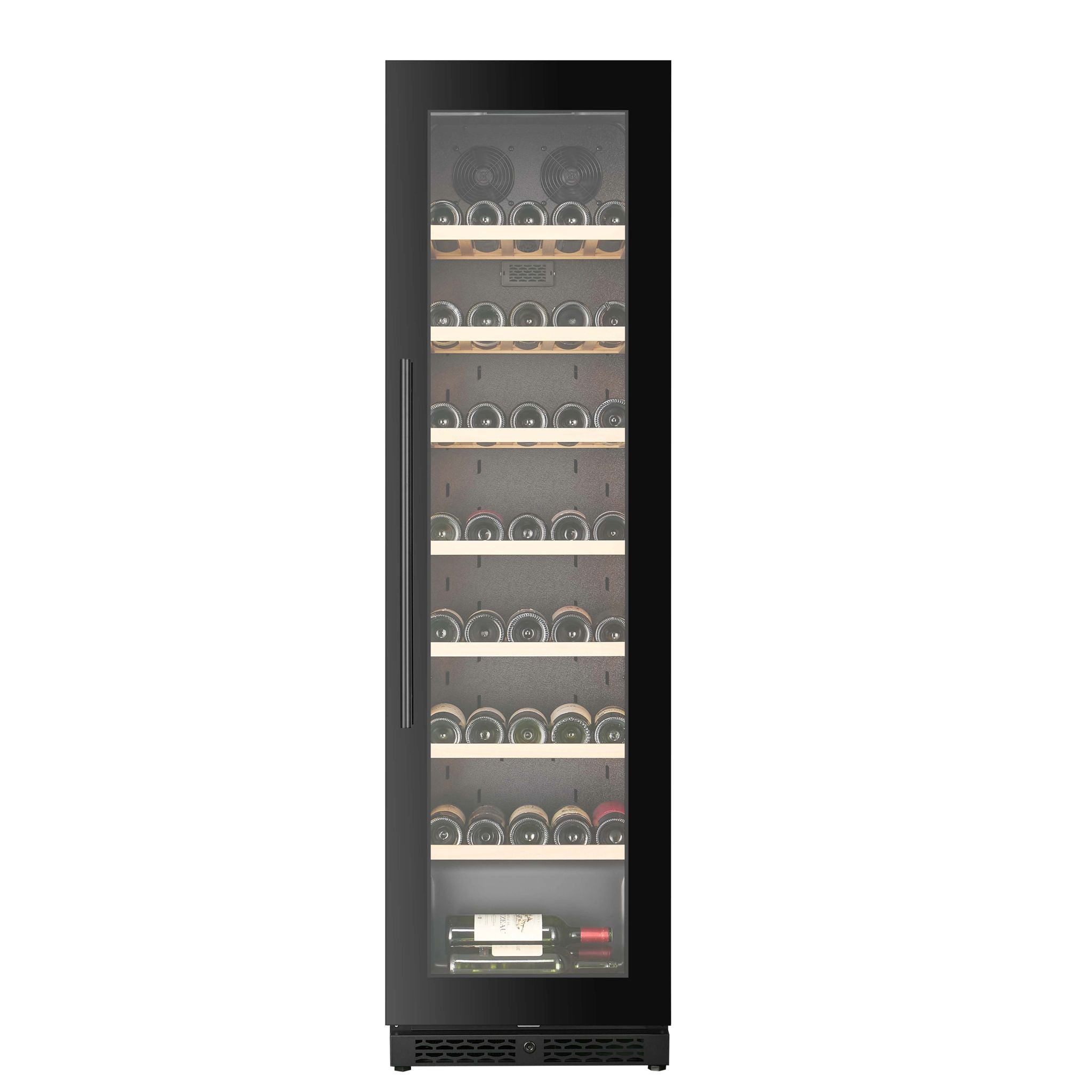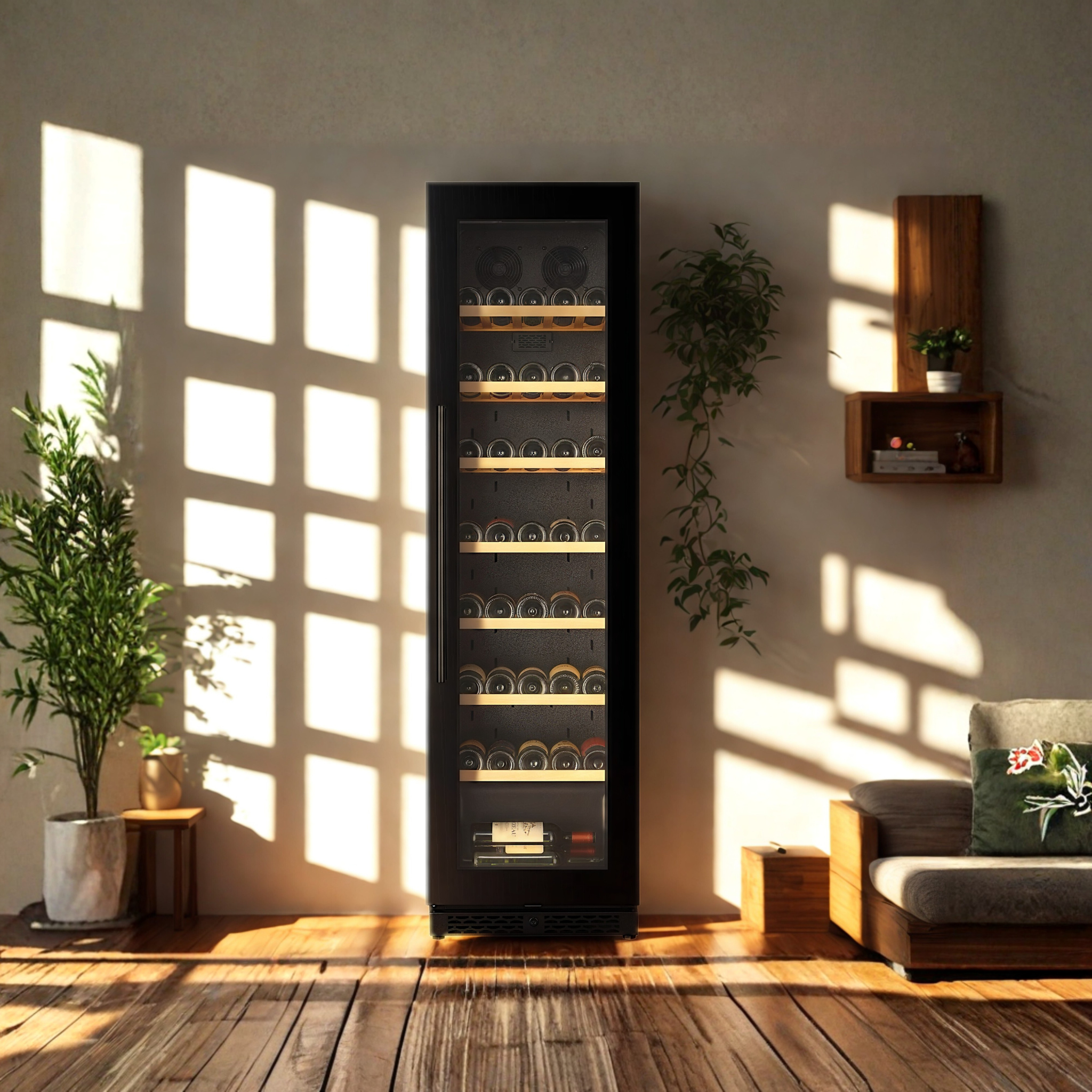
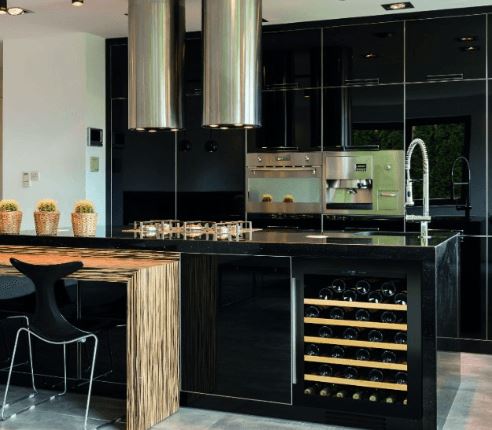
Keep your wine collection perfectly chilled and conveniently stored with our built-in wine coolers. Designed to fit neatly under kitchen counters, they offer a stylish and practical way to store your wines while keeping your kitchen looking streamlined.
Most of our integrated wine coolers are front-vented, making them ideal for undercounter installation, though some models can also be used freestanding if you need extra flexibility.
We offer a variety of sizes to suit every kitchen and collection, from slim 150mm units to larger 600mm coolers, accommodating everything from a few bottles to extensive collections.
What Widths are Available in Built-In Wine Coolers?
Built-in wine coolers come in widths of 150mm, 300mm, 400mm, 500mm and 600mm. Our most popular sizes are 300mm and 600mm, ideal for standard kitchen cabinet layouts.
Explore by size here:
Installing a Built-In Wine Fridge
Built-in wine coolers are designed to slide under a worktop with front ventilation, so the grille must never be blocked to prevent overheating. For troubleshooting tips, see our detailed guide.
Most models can also be used freestanding if you have the space, giving you flexibility to free up kitchen counters while maintaining optimal performance.
Before installing your built-in wine cooler, check the product dimensions, installation requirements, and manufacturer's instructions. Like integrated wine coolers, built-in wine fridges have specific installation steps that must be followed carefully.
Some brands, such as Liebherr, have more complex installation requirements, so contact us before purchasing if you have any questions.
In most cases, you’ll need to leave around 2 or 3mm of space around the unit so the air can flow freely. Failing to follow the manufacturer’s instructions could damage the unit and void the warranty.
In most installations, simply slide the built-in wine cooler under the countertop and adjust the legs to sit flush with the worktop. Some models include sliders to protect the legs and floor tiles; use them if available.
Once the cooler is in position, if the handle has not been attached by the delivery crew, it can usually be installed easily with a screwdriver or Allen key. Pull back the door seal to access the screws.
Key Features of a Built-In Wine Cooler
Our built-in wine coolers are designed to fit seamlessly into your kitchen while offering practical features:
- LED lighting (white, amber, blue)
- Dual or multi-temperature zones for reds and whites
- UV-protected glass doors to prevent light damage
- Humidity control for cork preservation
- Energy-efficient, low-noise compressors
- Push2Open and reversible doors
Single, Zone or Multi-Temperature Zones
A key feature of our built-in wine coolers is temperature zones. Traditionally, a single-zone cooler maintains just one temperature throughout the unit.
Now, wine coolers can feature multiple temperature zones. Dual-zone wine coolers are the best choices if you have a varied collection, as they allow you to store your reds and whites wines at their optimal storage temperatures.
Likewise, if you plan to keep some bottles for serving and others for long-term storage, a dual-zone wine cooler lets you store them at the appropriate temperatures.
Our multi-zone wine coolers use polyvalent technology to create three temperature zones, with the top of the cooler being the warmest and the bottom the coolest.
Humidity Control
Our selection of built-in wine coolers features humidity regulation, which is essential for long-term wine storage. Proper humidity keeps corks moist, preventing them from drying out, and exposing wine to oxygen. Storing bottles horizontally also helps, as it prevents leakage onto other bottles.
UV Protection
UV rays from sunlight can cause irreparable damage to your wine collection, known as a ‘light strike.’ This can make your wine taste sour and generally unpleasant, so it’s best to choose a built-in wine cooler with UV protection.
At Elite Wine Refrigeration, we offer a range of door options, including:
- Solid blackout doors
- UV-treated glass doors
- Reversible doors
Energy Efficiency
An energy-efficient built-in wine cooler helps reduce your carbon footprint while saving you money on electricity.
The insulated walls and doors prevent heat transfer, maintaining the desired temperature and reducing the energy needed to cool the interior.
Choosing the Right Size Built-In Wine Cooler
Start by measuring the available space to ensure the model you choose will fit. You can filter the size you need on the left-hand side of this page.
Bottle capacities range from 7 bottles up to 194 bottles, making built-in wine fridges suitable for collections of all sizes. If you regularly buy Champagne or larger bottles, keep in mind they take up more space than Bordeaux bottles, reducing stated capacity.
Consider future growth in your collection, as you may need more space than you currently require.
Built-In Wine Cooler FAQs
What is the difference between a built-in and an integrated wine cooler?
A built-in wine cooler fits neatly under a countertop, with front ventilation at the base to ensure proper airflow.
An integrated wine cooler goes a step further, allowing a cabinet door to be attached to the front. This hides the appliance completely, creating a seamless and elevated look in your kitchen. Explore our integrated wine fridge range.
How many bottles can a built-in wine cooler hold?
Our range includes slimline models holding 7 to 12 bottles, as well as taller units that can store up to 194 bottles, making it easy to find the right size for any collection.
Do built-in wine coolers need ventilation?
Yes. All built-in wine fridges are front-vented, so the grille at the base must remain unobstructed.
Are built-in wine coolers suitable for freestanding use?
Some models can be placed freestanding, but for the best performance, they are designed for undercounter use.
How to maintain and clean a built-in wine cooler?
To keep your built-in wine cooler working efficiently, it’s important to clean it regularly and ensure good airflow around the unit. Start by unplugging the cooler and removing all bottles and shelves.
The interior can then be wiped down using warm water or a mild cleaning solution, such as water mixed with a small amount of baking soda, which helps remove odours and residue.
Shelves should also be cleaned carefully. Wire shelves can be washed with a mild detergent solution, while wooden shelves should be wiped with a soft cloth and a suitable wood cleaner to protect the finish. The exterior of the cooler can be cleaned using a mild detergent and a soft cloth.
Once cleaned, dry all surfaces thoroughly before placing the shelves and bottles back inside. It’s also worth checking the door seals and ventilation grille to ensure they are free from dust and debris, as proper airflow helps maintain a stable internal temperature.
Take care to avoid exposing electronic controls or internal components to excess water during cleaning.