
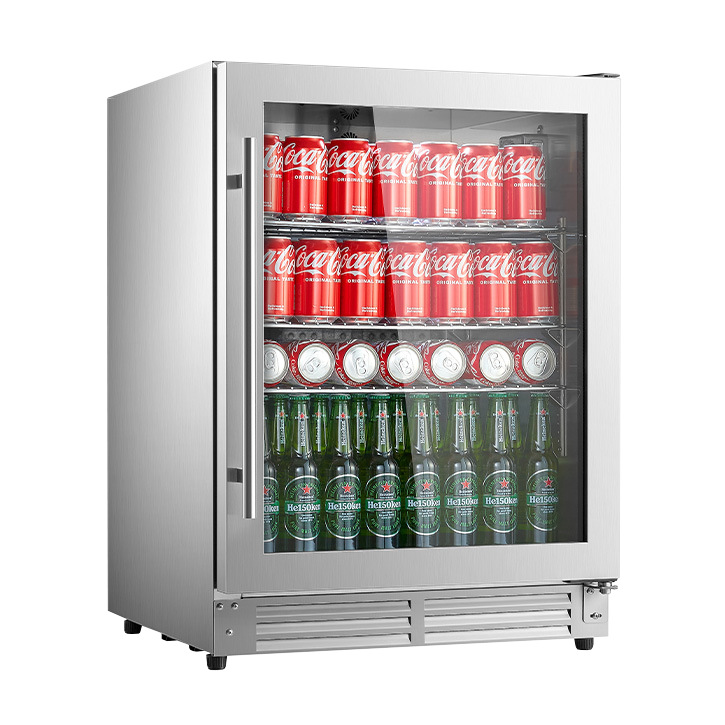
How to Protect Your Outdoor Fridge
Knowing how to protect your outdoor fridge is one of the most important things you can do to get the most from your investment. Outdoor fridges are built to handle the elements, but 'built for outdoors' doesn't mean 'maintenance-free'.
A quality outdoor fridge can last well over a decade with the right upkeep. This guide covers everything you need to know, including where to put it, how to weatherproof it, when to clean it, how to care for it properly, and what to look out for before they turn into expensive problems.
Making Sure You Have the Right Fridge
Before getting into maintenance, it's worth making sure your fridge is the right tool for the job. There's a big difference between an outdoor-rated refrigerator and a standard kitchen fridge; you've moved onto the patio.
Standard indoor fridges are designed to operate within a narrow temperature range, around 16°C to 32°C. Put one outside in the UK, and the compressor may struggle.
Look for these key features in an outdoor-rated fridge.
-
UV-resistant casing prevents discolouration and degradation from sun exposure.
-
Wide operating temperature range: quality outdoor models handle temperatures from -5°C up to 43°C or more.
-
Corrosion-resistant materials: stainless steel grades designed to withstand rain, moisture, and air.
-
Weatherproof door seals: thicker, more durable gaskets that maintain their integrity in temperature extremes.
-
IP rating stands for Ingress Protection. Look for at least IP24, meaning the unit is splash-proof from any direction. Higher is better for exposed locations.
The Blastcool Extremis range could be worth a look; they’re engineered with heated glass doors to handle condensation and humidity year-round.
Here's a quick comparison:
|
Feature |
Indoor Fridge |
Outdoor-Rated Fridge |
|
Weather resistance |
None |
Built-in (IP-rated) |
|
Operating temp range |
16°C–32°C |
-5°C to 43°C+ |
|
UV-resistant casing |
No |
Yes |
|
Corrosion resistance |
No |
Yes |
|
Warranty outdoors |
Voided |
Covered |
Choosing the Right Location
Where you put your outdoor fridge matters. Bad placement forces the compressor to work harder and can cause complete breakdowns. Here are some things to consider when choosing a location for your fridge.
Keep it out of Direct Sunlight.
Direct sunlight raises the temperature around the unit, meaning the compressor has to run almost constantly just to keep its internal temperature. Over time, this burns it out.
Put it on a Level Surface.
An unlevel fridge puts strain on the compressor mounts and throws the door alignment off. Use adjustable levelling feet on uneven surfaces.
Allow Adequate Clearance
At a minimum, 5–10 cm on each side and 15–20 cm at the back. These gaps are how the fridge vents heat. Block them, and the unit overheats.
Keep Away from Heat Sources
Grills, BBQs, pizza ovens, and dark-coloured walls or paving that absorb heat are all bad neighbours for your outdoor fridge. Give it breathing room.
Protect from Wind and Rain
Even outdoor-rated fridges benefit from some shelter. A partially enclosed position, facing away from the direction of heavy rain, reduces wear.
Top Tip: In the UK, the west gets the most rain. Position your fridge facing away from this direction, especially if it's in an exposed garden or patio.
Signs Your Outdoor Fridge Needs Attention
Catch problems early, and they're usually cheap to fix. Leave them, and you're looking at a replacement. Here are the warning signs and what they mean:
|
Warning Sign |
Likely Cause |
Action |
|
Not cooling properly |
Dirty coils, a worn seal, or low refrigerant |
Clean coils; check seals; call a pro if persistent |
|
Excessive condensation or frost build-up |
Door seal failure |
Inspect and replace the gasket |
|
Loud compressor noise |
Poor ventilation or blockage |
Check clearance gaps and airflow |
|
Unusually high energy bills |
Overworking compressor |
Check placement, seals, and coil cleanliness |
|
Rust or corrosion on the exterior |
Prolonged moisture exposure |
Treat immediately and improve weatherproofing |
As a rule of thumb, if cleaning the coils and checking the seals don't fix a cooling issue, it's time to call a qualified appliance engineer. Low refrigerant isn't a DIY fix; it requires an F-Gas-certified engineer.
How to Maintain Your Outdoor Fridge
An IP-rated outdoor fridge can handle rain and splashing water without the internal electrics being damaged. What it can't handle indefinitely is being fully submerged or subjected to constant standing water around the base and seals.
The UK's persistent drizzle and damp conditions are more of a long-term concern than a summer downpour, with moisture gradually working its way into seals, electrical connections, and metal components over time.
For short-term rain? Your outdoor-rated fridge will be fine. For extended wet seasons or prolonged non-use? Take these precautions.
-
Use a Weatherproof Cover
A good outdoor fridge cover is one of the easiest ways to extend your fridge's lifespan.
Look for waterproof material with a soft, non-scratching inner lining. Ventilation gaps or mesh panels are also useful, as you should never use a fully sealed cover on a running fridge.
UV-stabilised fabric will prevent the cover itself from degrading, and ties or buckles will stop it from blowing off in the wind.
-
Protect Against Sun and Heat
UV exposure causes slow and silent damage. Direct sunlight degrades plastic components and causes rubber seals to crack and harden. Here's how to stop it:
-
Install a shade structure
-
Avoid dark surfaces nearby
-
Look for UV-resistant finishes
-
Regularly Clean Your Fridge
Consistent maintenance is what separates a fridge that lasts five years from one that lasts fifteen. This is what you should aim for:
-
Do a monthly wipe-down using a mild detergent diluted in warm water. Avoid harsh chemicals or bleach.
-
Remove shelves and clean them separately.
-
Check the drain pan. Empty and clean it monthly.
-
If your model has a removable air filter, clean or replace it as the manufacturer recommends, usually every six months.
-
Clean the Exterior and Condenser Coils
Use a stainless steel cleaner and wipe in the direction of the grain. Never use abrasive pads; they scratch the surface and create spots for rust to start.
At the back or underneath the unit, coils release heat from the refrigeration cycle. When they're caked in dust, grease, and debris, the fridge can't cool; it just runs hotter and harder. Clean them every 3–6 months using a soft brush or vacuum with a brush attachment.
-
Check the Door Seals (Gaskets)
If the door isn't sealing properly, cold air escapes and warm air gets in; the compressor compensates by running more, which uses more energy and wears it out faster.
Close the door on a piece of paper. If you can pull it out easily, the seal isn't doing its job.
Clean the seals monthly with warm, soapy water and dry thoroughly. Moisture sitting in the seal folds causes mould and cracking.
Replace the worn gasket. Don't leave a damaged seal in place.
Here's a maintenance schedule to keep on hand:
|
Frequency |
Task |
|
Monthly |
Wipe interior shelves, drawers and walls |
|
Monthly |
Check and empty the drain pan |
|
Monthly |
Inspect door seals for wear or gaps |
|
Every 3–6 months |
Clean condenser coils with a brush/vacuum |
|
Every 3–6 months |
Clean exterior (stainless steel cleaner) |
|
Every 3–6 months |
Check and lubricate door hinges |
|
Annually (spring) |
Deep clean interior and exterior |
|
Annually (spring) |
Recalibrate temperature settings |
|
Annually (autumn) |
Adjust settings for cooler weather |
|
Annually (autumn) |
Inspect electrical connections |
How to Keep Your Outdoor Fridge at a Safe Temperature
Food safety depends on consistent refrigeration. Outdoor environments make this harder. Here's how to keep things stable:
-
Set your outdoor fridge between 1°C and 4°C (34°F to 40°F) for food storage. Drinks-only fridges can run slightly warmer at 4°C to 8°C. Take a look at our beer fridges and wine coolers.
-
Air needs to circulate inside the fridge just as much as outside it. Leave gaps between items and don't block internal air vents.
-
Let hot items cool first. Placing hot food or warm drinks directly in the fridge forces the compressor to spike.
-
Wireless temperature monitors that alert you to fluctuations are a worthwhile investment if you store food regularly.
Seasonal Care to Protect Your Outdoor Fridge
Spring and Summer
Deep clean after winter: interior, exterior, coils, and seals all need attention after sitting dormant or working hard in cold weather.
Recalibrate temperature settings: as temperatures rise, your fridge may need to be set slightly colder to maintain food-safe internal temperatures.
Monitor during heatwaves: in very hot weather, check the fridge is still keeping its temperature. If it's struggling, improve shading or check that ventilation clearances haven't been blocked.
Clean more frequently in summer: pollen, BBQ grease, and general garden dust build up faster. Wipe down the exterior every two weeks rather than monthly during peak summer.
Autumn and Winter
Adjust settings for cooler weather: fridges can actually over-cool in very cold ambient conditions.
Lubricate door hinges: cold temperatures cause rubber and metal to stiffen. A light application of food-safe lubricant on hinges and seals prevents sticking and cracking.
Check electrical connections: Autumn is a good time to inspect cables and connections for any signs of wear or moisture ingress before the worst weather arrives.
Storing for winter: if you're switching the fridge off for the season, clean thoroughly, leave the door slightly ajar (to prevent mould), fit a weatherproof cover, and unplug it completely.
British winters are more damp than frozen, which means moisture in seals is a bigger risk than ice. Keep seals clean and dry through the colder months, and fit a vented cover whenever the fridge isn't being used for extended periods.
Find the Perfect Outdoor Fridge
Follow the steps in this guide, and you'll get well over a decade of reliable performance out of your outdoor fridge. The difference between a fridge that lasts five years and one that lasts fifteen usually isn't build quality. It's maintenance.
If you're still looking for the right unit, make sure you're starting with a fridge that's actually built for the outdoors. Browse our full range of outdoor fridges, all IP-rated and marine-grade stainless steel, built to handle whatever the British weather throws at them.